Sifas Materials
Sifas materials are designed to balance outdoor durability with a more refined, tailored look. While frame finishes and sling options are often fairly limited within a given collection, fabrics offer much more room for personalization, from dependable classic neutrals to a broader range of premium Sifas and Sunbrella options.
Because fabrics are where most customers will spend the most time comparing and customizing, this guide begins there before moving into woven materials, structures and tabletop finishes. Use the quick links below to jump directly to the part of the page that matters most for your project.
On this page:
Cushions
Sifas cushions are available in easy-care outdoor fabrics selected for comfort, color retention and long-term performance. Within this assortment, classic fabrics provide the standard cushion options, while premium fabrics offer additional choices for cushions and pillows when a project calls for more color, contrast or personality.
Maintenance of cushions – Sifas cushion fabrics are designed for outdoor use and are relatively easy to care for, but regular upkeep helps preserve their appearance. Brushing off loose dirt, wiping up spills promptly and addressing marks before they set will help keep the fabric looking cleaner over time.
Classic Fabrics
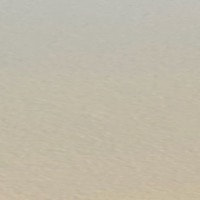
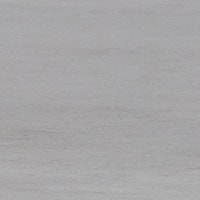
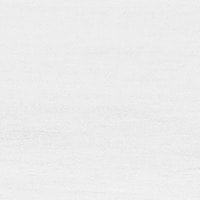
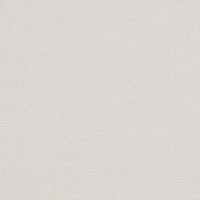
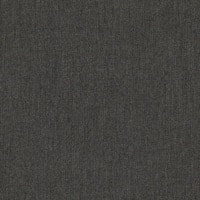
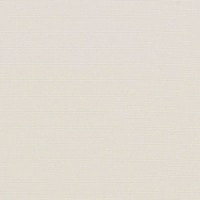
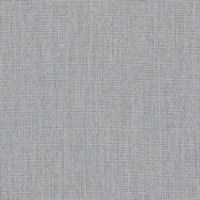
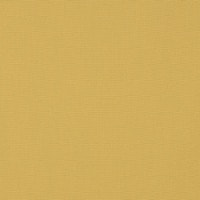
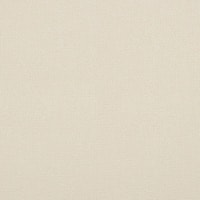
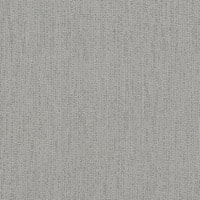
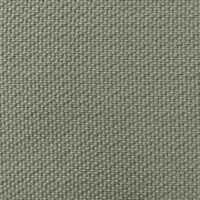
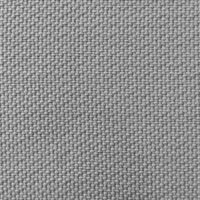
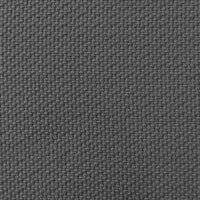
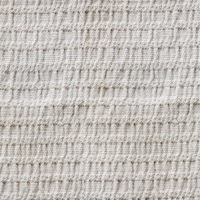
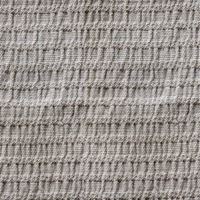
These classic fabrics tend to anchor the quieter side of the Sifas palette. Most are soft neutrals that work easily across collections and pair naturally with a wide range of frames, rugs and surrounding décor.
Premium Fabrics
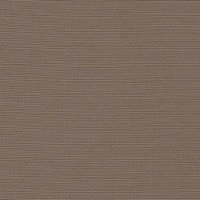
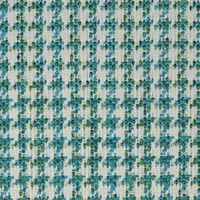
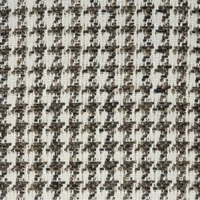
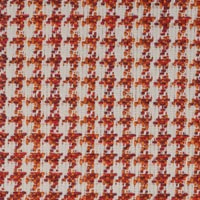
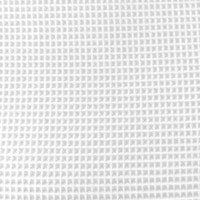
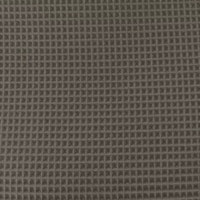
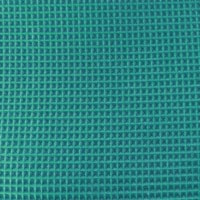
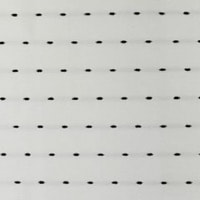
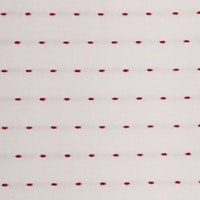
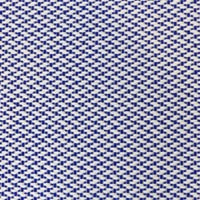
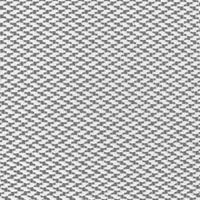
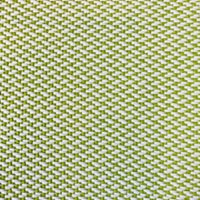
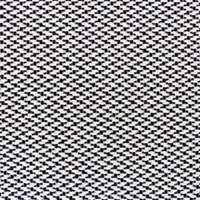
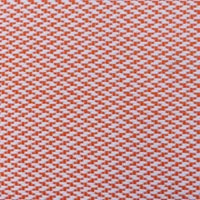
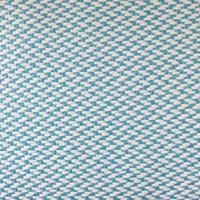
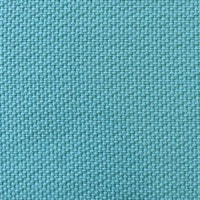
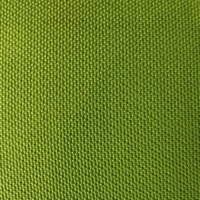
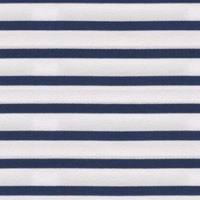
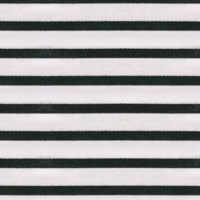
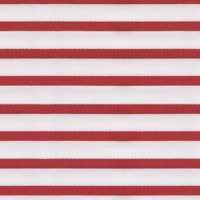
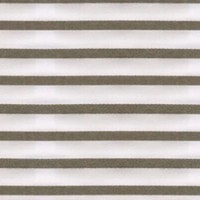
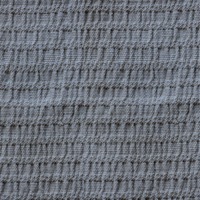
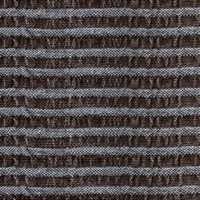
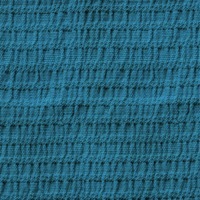
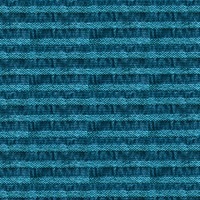
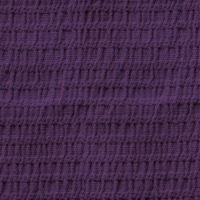
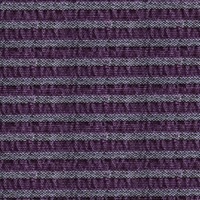
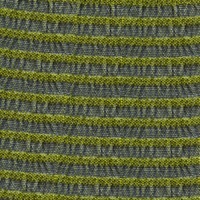
Sifas premium fabrics expand the palette beyond the standard classic options with bolder color, stronger contrast and more distinct visual character. These premium-priced fabrics are offered for cushions and pillows and currently include Acapulco, Berta, Carlotta, Minorca, Ikon 34, Ikon 37 and Seer.




Fabric Pairing Ideas
Sifas collections usually begin with a small group of classic neutral upholstery options, then open up into a broader premium fabric palette for customers who want more personality. That makes it useful to think in layers: start with a dependable base fabric, then decide where to introduce contrast, color or pattern.
Start with a neutral base
For seat and back cushions, beginning with one of the classic neutrals keeps the composition calm and flexible. Fabrics such as Deauville Taupe, Deauville Canvas, Flannel Grey, Natte White, Natte Grey Chine, Savane White and Savane Nimbus work easily with both lighter and darker structures and give surrounding décor more room to breathe.
Layer by use and setting
Once the base cushions are set, premium fabrics can help shift the mood. Tone-on-tone greys, beiges and taupes feel especially natural for daily family use, urban terraces and more restrained hospitality settings, while brighter blues, turquoises, reds and greens can push a space toward a more resort-oriented, coastal or tropical direction.
Mix with the rest of the space
It also helps to think beyond the furniture itself. Seat cushions, back cushions, upholstery panels, decorator pillows, nearby rugs, planters and even indoor textiles visible through adjacent windows can all contribute to a more coherent palette. Using classic neutrals on the main seating surfaces and reserving stronger premium colors for pillows or accent pieces often creates the easiest balance.
Braids, Straps & Upholstery
Sifas also uses a range of woven and technical materials that add texture, structure and quick-drying performance to specific collections. These materials are often more limited within each collection than the cushion fabric program, but they still play an important role in the overall look and feel.
Braided Polyester
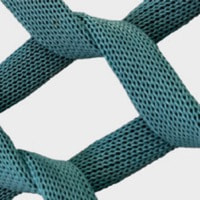
Polyester coated with PVC to repel water and wrapped around a rubber core, creating a flexible, fast-drying material suitable for outdoor seating.


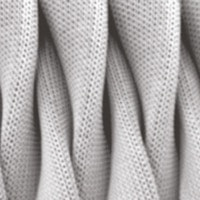

Polyester Rope
This weave uses four strands of polyester thread reinforced by a secondary polyester tube weave for durability, elasticity and quick drying.
Maintenance of braided polyester and rope – Clean regularly with a sponge, water and mild soap or washing-up liquid. For more stubborn dirt, use a sponge lightly moistened with clay stone. For ingrained stains, avoid aggressive rubbing and use diluted white vinegar or glass cleaner, then rinse thoroughly with clean water.
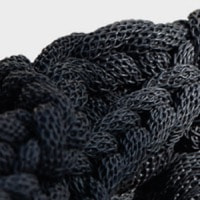
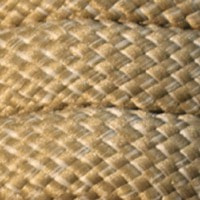
Braided Tube Polyester
Polyester threads coated in PVC and woven into a reinforced tube, creating a durable material with slight elasticity and water resistance.
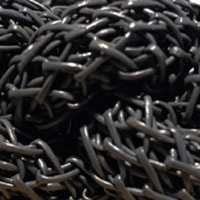
Strap Woven Polyester
Forty-millimeter polyester straps coated with PVC for a water-repellent, fast-drying woven surface.
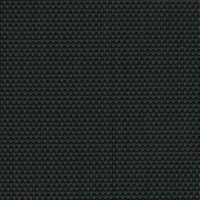
Canvas Woven Polyester
Woven PVC-coated polyester designed for quick drying, ease of care and dependable outdoor performance.
Maintenance for braided tube polyester, strap woven polyester and canvas woven polyester – Use a sponge with water and mild soap for routine cleaning. For heavier soiling, use clay stone sparingly. For tougher stains, blot with diluted white vinegar or glass cleaner, then rinse thoroughly with water.
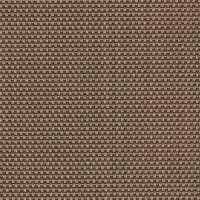
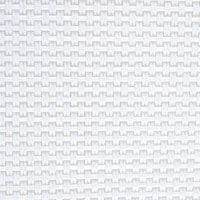
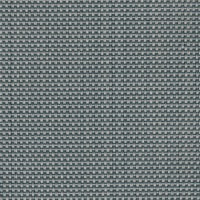
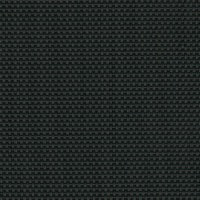
PVC / PES
PES, or polyethersulfone, is a thermoplastic known for dimensional stability and resistance to high and low temperatures, impact and radiation.
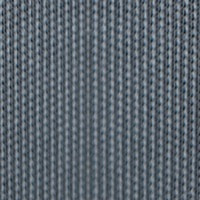
3D Braided Polyester
This textile blend combines polypropylene and polyester in a honeycomb weave that adds texture, flexibility and a more cushioned feel while maintaining outdoor durability.
Maintenance for PVC / PES and 3D braided polyester – Clean with a sponge and mild soap solution for routine care. For heavier marks, use clay stone lightly. For ingrained stains, use diluted white vinegar or glass cleaner without hard scrubbing, then rinse generously.
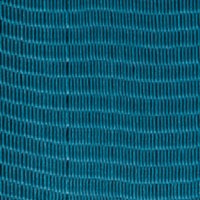
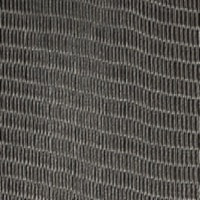

Moodboards
Sifas moodboards show how premium fabrics can be grouped into distinct visual directions, from coastal blues and sun-washed neutrals to urban greys and brighter resort palettes. They are useful as quick inspiration for combining cushions, upholstery and accent textiles without overcomplicating the palette.
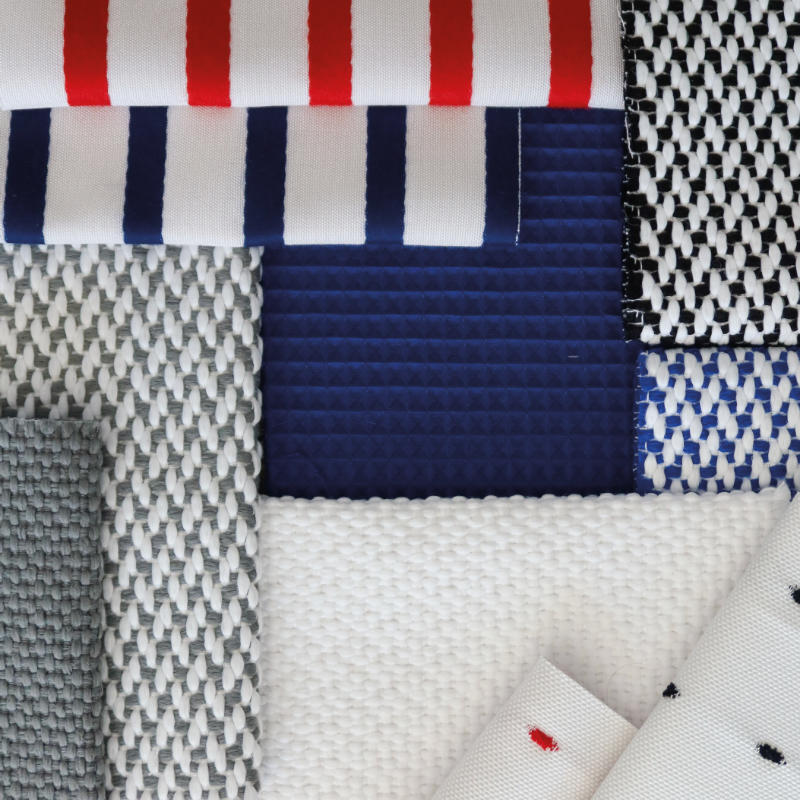
Riviera
Cool blues, crisp neutrals and darker anchors create a polished coastal palette that feels at home on terraces near water.
Includes: Ikon 34 Noir I15, Gris I17, Bleu I18; Ikon 37 Blanc I2, Gris foncé I5; Minorca Marine M5, Rouge M12; Berta Bleu B100; Carlotta Black C24, Red C98.
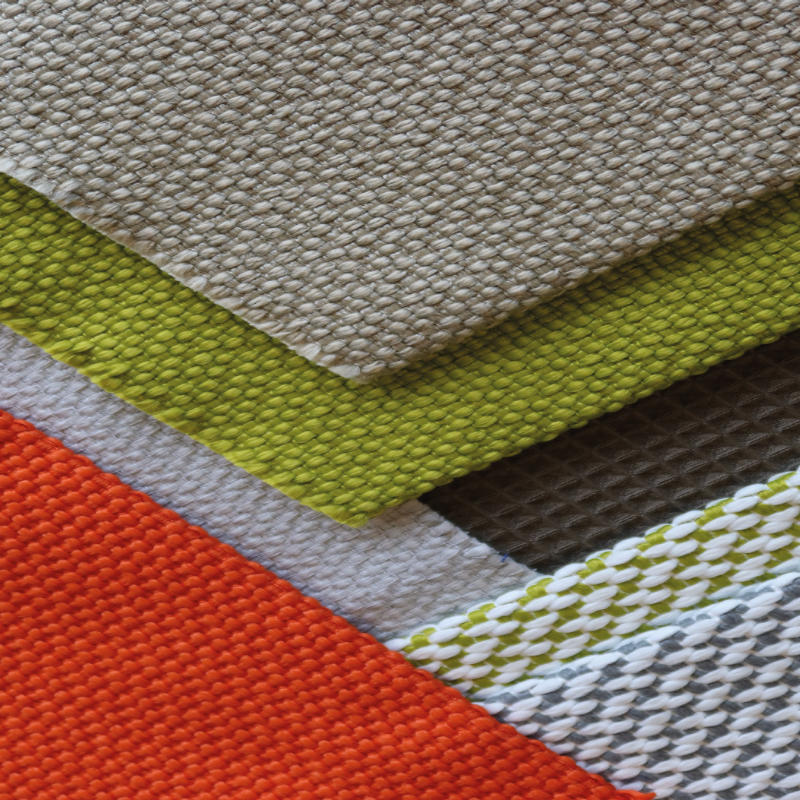
Desert
Soft mineral tones, muted greens and earthy warmth give this palette a grounded look suited to dry landscapes and sun-baked architecture.
Includes: Ikon 34 Lime I13, Gris I17; Ikon 37 Gris clair I4, Gris foncé I5, Orange I26, Vert I32; Berta Taupe B26.
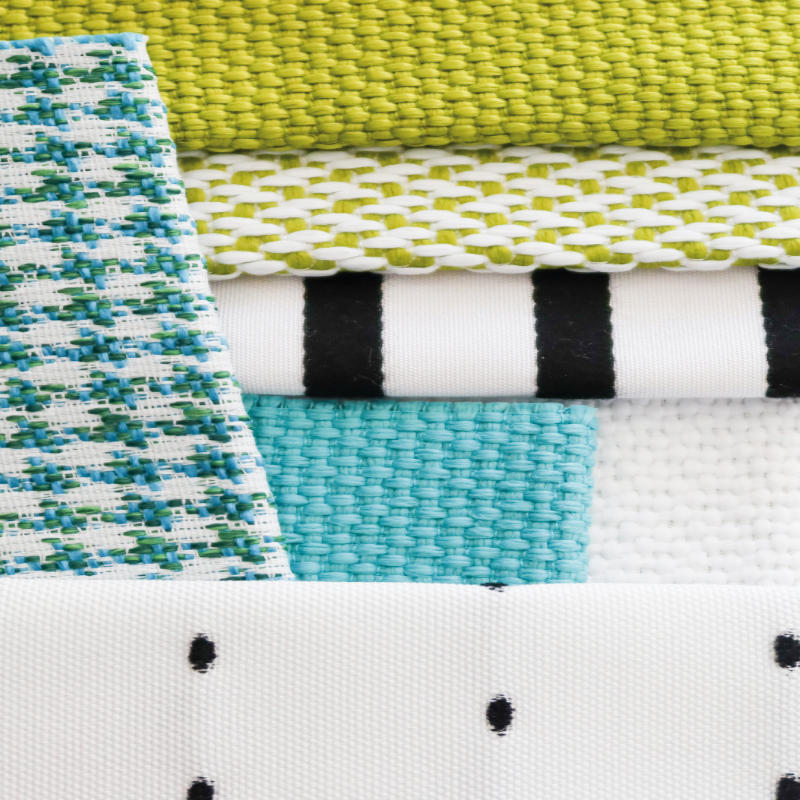
Tropical
Fresh greens, turquoise and deep contrast tones bring energy to lush gardens, pool decks and more playful outdoor spaces.
Includes: Ikon 34 Lime I13; Ikon 37 Blanc I2, Vert I32, Turquoise I34; Minorca Noir M6; Acapulco Bleu A6; Carlotta Black C24.
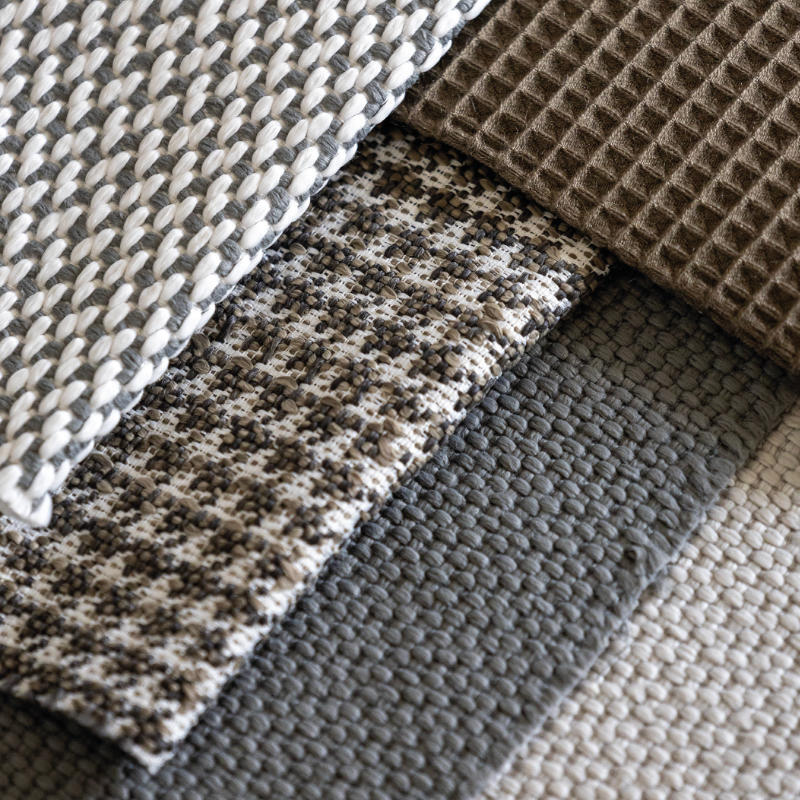
Urban
Layered greys and taupes create a restrained metropolitan palette that works especially well with clean-lined architecture and darker frames.
Includes: Ikon 34 Gris I17; Ikon 37 Gris clair I4, Gris foncé I5; Acapulco Marron A1; Berta Taupe B26.
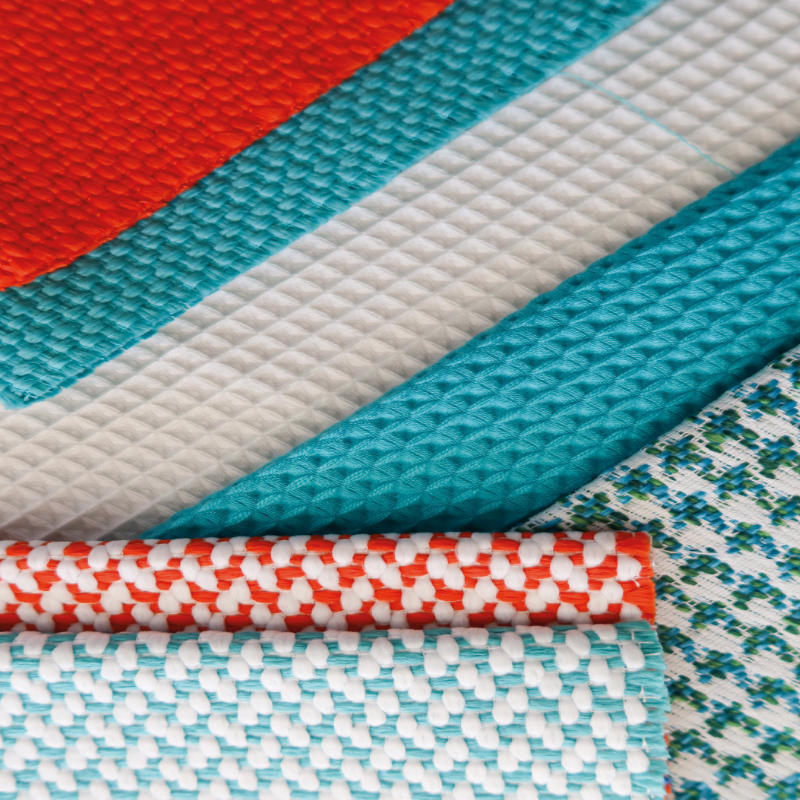
Miami
Bright coral, turquoise and blue accents bring a livelier resort mood that feels sunny, graphic and more overtly expressive.
Includes: Ikon 34 Rouge I12, Turquoise I14; Ikon 37 Orange I26, Turquoise I34; Acapulco Bleu A6; Berta Blanc B15, Turquoise B22.
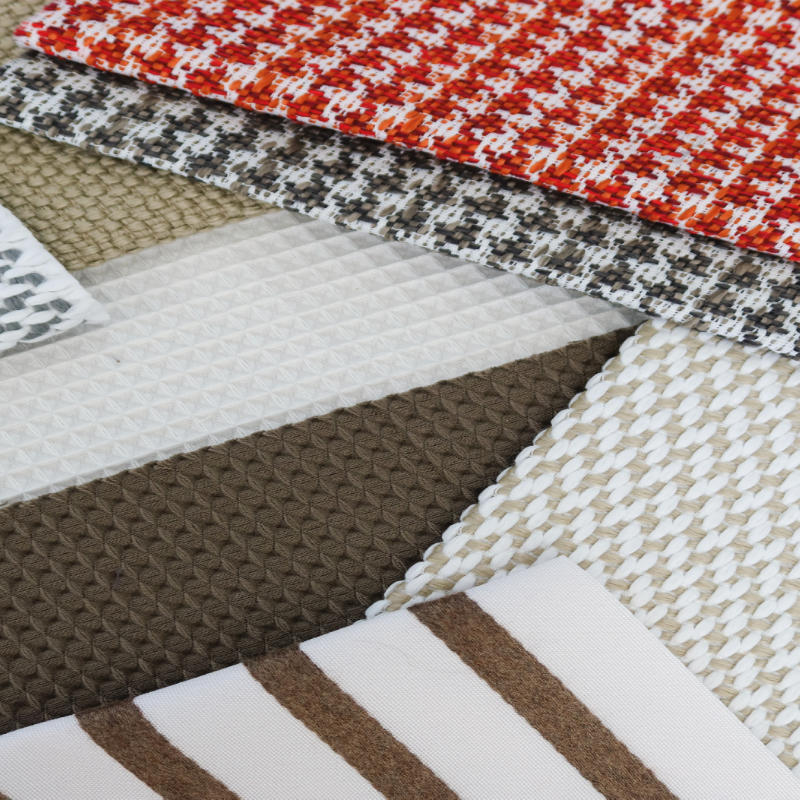
Mountain
Warm neutrals with deeper notes create a layered palette that feels comfortable, natural and well suited to alpine or wooded settings.
Includes: Ikon 34 Beige I11, Gris I17; Ikon 37 Beige I31; Minorca Taupe M3; Acapulco Marron A1, Rouge A10; Berta Blanc B15, Taupe B26.
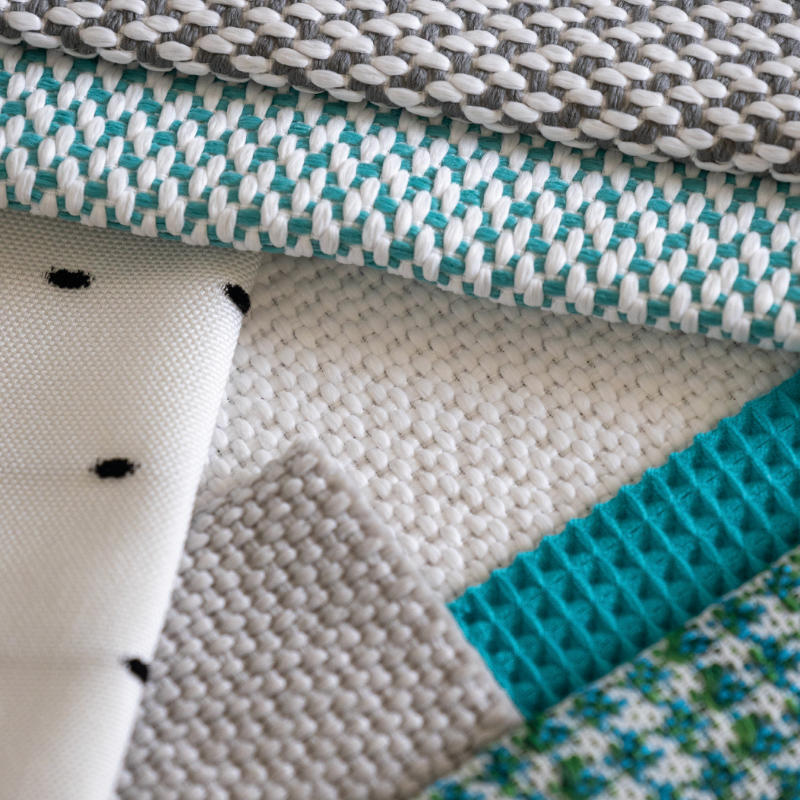
Greece
Beige, grey, blue and black come together in a bright Mediterranean mix that feels crisp, breezy and architectural.
Includes: Ikon 34 Beige I11, Gris I17; Ikon 37 Beige I31; Carlotta Black C24; Acapulco Bleu A6; Berta Turquoise B22.
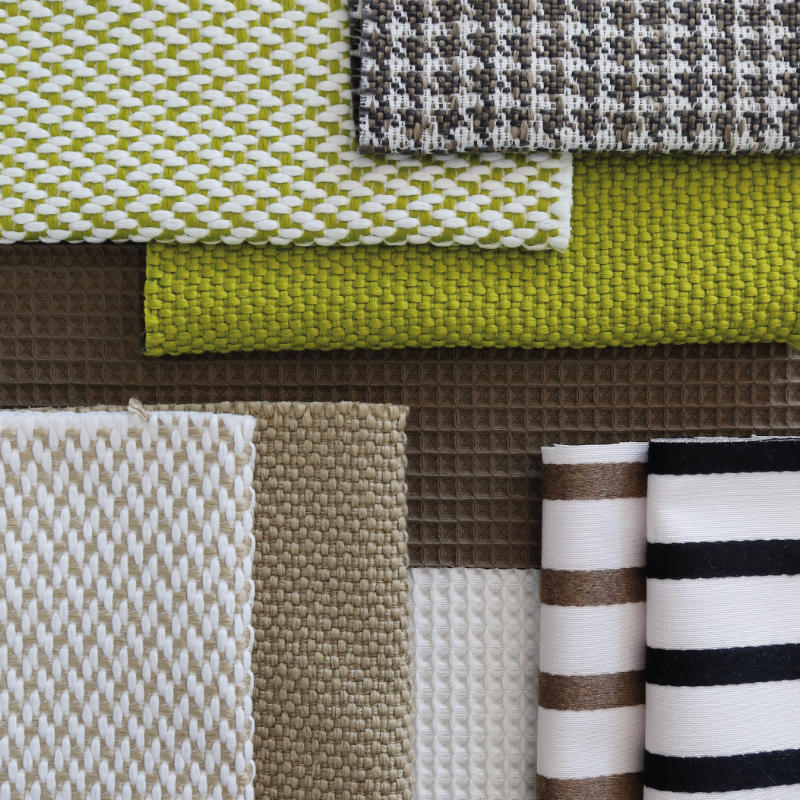
Puglia
Olive, beige, taupe and black create a relaxed Southern European palette with an easy balance of softness and contrast.
Includes: Ikon 34 Beige I11, Lime I13; Ikon 37 Beige I31, Vert I32; Minorca Taupe M3, Noir M6; Acapulco Marron A1; Berta Blanc B15, Taupe B26.
Structures
Sifas structural materials are chosen to support clean-lined contemporary furniture while standing up to outdoor exposure. Powder-coated aluminum and teak remain central because they offer the right mix of durability, corrosion resistance and visual versatility.
Lacquered Extruded Aluminum
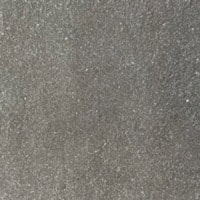
These aluminum structures are lacquered and baked after an electrostatic powder-coating process that helps create an even, durable outer layer. Depending on the collection, the finish may be smooth and glossy or more structured with a granite-like effect.



Lacquered Cast Aluminum
Cast aluminum components are pressure formed in steel dies, then powder coated for greater protection against corrosion and outdoor wear. This process is often used for table bases and other structural pieces that benefit from sculpted geometry.
Maintenance for extruded and cast lacquered aluminum – Clean weekly with water and a mild wetting agent or a gentle window cleaner. Rinse thoroughly, then dry with a soft absorbent cloth.
Forged Aluminum
This finish combines cast aluminum components with aluminum edging to create the look of forged metal with a baked-on matte black finish.
Maintenance for forged aluminum – Brush away loose debris from corners and joints, then clean the surface with mild soap and warm water using a soft cloth or non-abrasive sponge. Rinse lightly and air dry or pat dry with a towel.
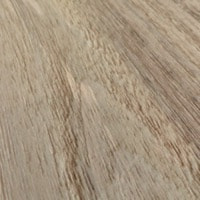
Aged Teak
Teak’s natural oil content helps it resist moisture, sun and temperature shifts, making it a dependable outdoor hardwood. Over time, the surface can mellow to a silver-grey patina without compromising structural durability.
Maintenance of aged teak – Routine upkeep is minimal. Clean once or twice a year with warm water and a mild soap solution, and sand lightly if needed to even the surface. Painting or varnishing is not necessary.
Tabletops
Sifas tabletop materials range from practical outdoor glass and HPL to teak and ceramic finishes with a more architectural character. In most cases, tabletop options are fewer than fabric choices, so this part of the page is meant more as a finish reference than a major customization story.
Glass
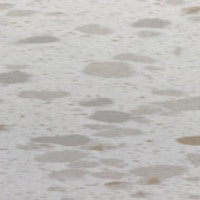
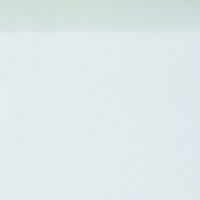
Tempered and lacquered glass tabletops are designed for outdoor resistance and finished with an acid-washed matte surface that reduces visible smudging.

Hammered Glass
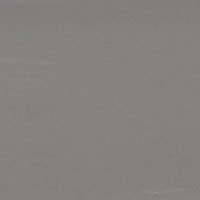
Hammered glass adds texture and visual variation while maintaining the practicality of tempered outdoor glass.
Maintenance of glass and hammered glass – Dust first, then clean with water and mild washing-up liquid using a soft sponge. For marks or residue, use household alcohol diluted with water or a quality glass cleaner, then dry with a soft cloth. For limescale, white vinegar or lemon juice can help lift mineral buildup before rinsing and drying.
Synteak
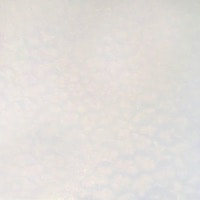
This mass-extruded polyethylene finish is designed to echo the look of teak while reducing upkeep and remaining suitable for outdoor use.
Maintenance of Synteak – Clean with a soft cloth and window cleaner, then use a light silicone furniture wax on the cloth if needed. Avoid applying wax to the surrounding frame.
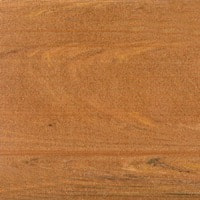
High-Pressure Laminate (HPL)
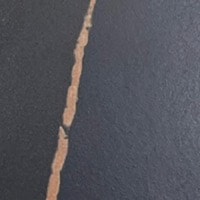
HPL is made from resin-impregnated kraft sheets bonded under very high pressure to create a hard-wearing surface suited to outdoor tabletops.
Maintenance of HPL – Remove debris first, then clean with mild soap and water using a soft, non-abrasive sponge. Rinse and towel dry or allow the surface to air dry.
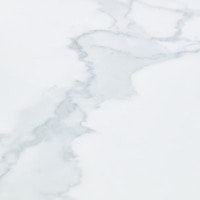
Aged Teak
Teak tabletops offer the same natural weather resistance and patina development seen in Sifas teak structural elements, making them a strong fit for more organic or mixed-material settings.
Maintenance of aged teak – Clean as needed with warm water and natural soap flakes. If uneven areas appear over time, the surface can be lightly sanded. Painting or varnishing is unnecessary.

Ceramic
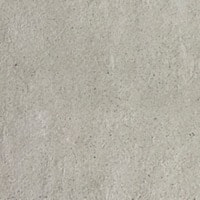
Sifas ceramic tabletops use grès cérame technology to create matte outdoor surfaces with strong visual depth and relatively low maintenance requirements.
Maintenance of ceramic – Use soapy water or a gentle household cleaner with a soft sponge for regular care, then rinse with warm water. Avoid abrasive products or aggressive chemicals. Common marks can often be removed with denatured alcohol followed by a rinse.