
Outdoor Storage
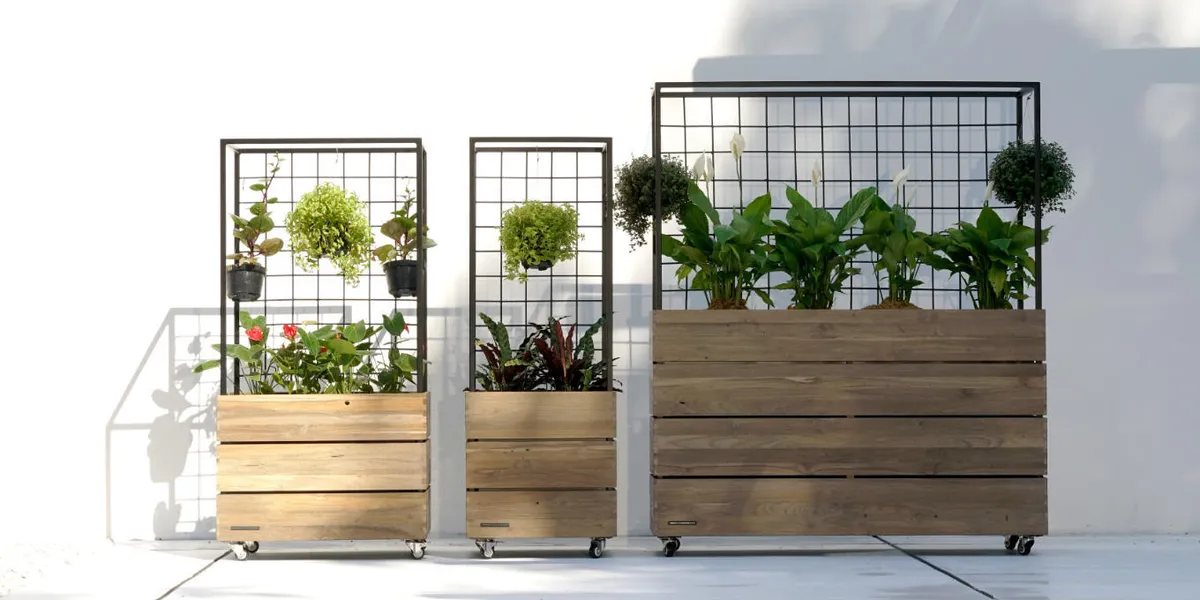


Outdoor storage keeps cushions, covers and extras under control
Deck boxes, storage benches and a few well-placed carts and cabinets make it much easier to live with outdoor cushions, pillows, covers and entertaining pieces. They help keep the patio looking ready instead of making cleanup feel like a second event.
Choose storage by how it lives in the space
Some pieces blend in as seating or accent furniture, while others are better when they stay purely practical. The right choice usually comes down to what you’re storing, how often you reach for it and whether you want the storage to disappear into the layout or stay easy to access.
Pro tips: choosing outdoor storage that earns its footprint
- Start with what needs a home - Cushions, covers and serving pieces all take up space differently, so the right storage shape matters as much as raw capacity.
- Think about access on real days - If getting into the box means moving chairs, planters or side tables every time, it will get old quickly.
- Let storage do more than one job - Benches, cabinets and carts that also serve the layout usually justify their footprint faster than pieces that only store.
- Match materials to the climate - Powder-coated aluminum, quality teak and weather-ready resin usually hold up better outdoors than softer woods or lighter-gauge metals.
Frequently Asked Questions – Outdoor storage
What belongs in outdoor storage?
Outdoor storage works best for cushions, pillows, covers, throws and lighter entertaining pieces that move in and out regularly. Heavier tools, chemicals and anything especially sensitive usually belong somewhere more dedicated.
What matters most when storing outdoor cushions?
Drying and airflow matter more than trying to create a perfectly sealed box. If cushions go in damp, or if water has nowhere to escape, trapped moisture can lead to mold and mildew even inside storage.
Which materials hold up best for outdoor storage?
Look for powder-coated aluminum or stainless steel frames with teak, high-quality resin or other weather-ready panels and tops. Those combinations usually handle sun, moisture and daily use better than softer woods or thinner metals.