
Heating

Outdoor heating for real-world patios
Outdoor heating does more than take the edge off a chilly evening. It helps turn patios, covered lounges and open-air entertaining spaces into places people actually want to use once the sun goes down.
Some setups are designed around steady, directional warmth. Others make flame, material and form part of the outdoor experience. This page is here to help you decide which approach makes the most sense for your space, your layout and the way you actually spend time outside.
Find the right type of outdoor heat
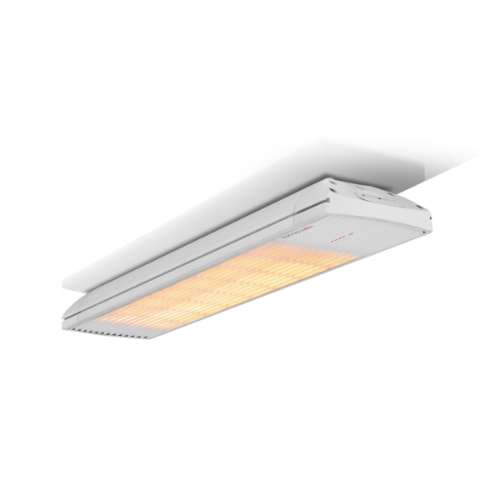
Patio Heaters
Best for dining areas, lounge setups and covered patios where you want steady, directional warmth without making a flame the center of attention. They are often the most practical choice when comfort matters more than campfire atmosphere.
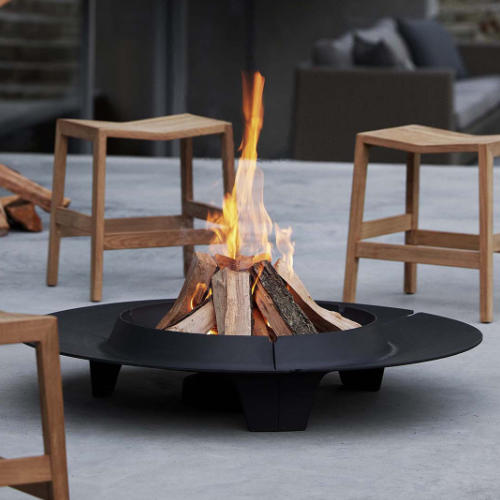
Fire Pits
Best for casual gathering spaces where people naturally circle around the flame. From streamlined gas designs to select wood-burning models, they create an immediate focal point while asking for thoughtful placement, clearances and room to gather.
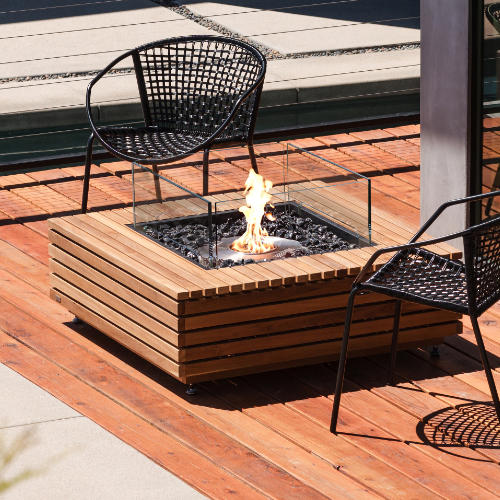
Fire Tables
Best for seating groups where you want the warmth and visual pull of a fire feature with a more useful, furniture-like surface. They are especially well suited to conversation areas built around drinks, dining and long evenings outside.
Outdoor Fireplaces
Best for built-in outdoor living areas where fire is part of the architecture, not an accessory. These project-oriented features take more planning, but create a permanent focal point with a finished, intentional presence.
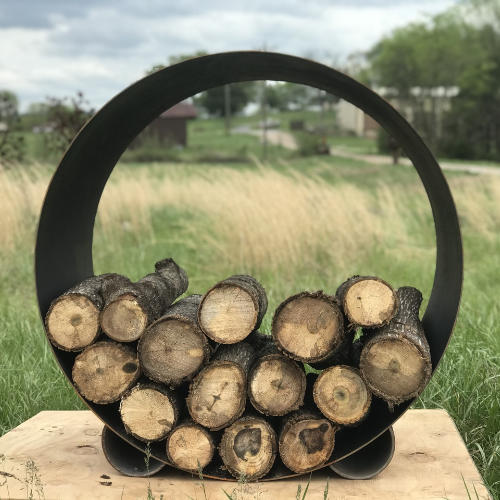
Fire Sculptures
Best for design-forward patios where the feature should make an impact before it is even lit. Their architectural forms bring together ambient flame, outdoor art and a stronger sense of place.
Fire Feature Parts & Accessories
Find the components and finishing details that keep a fire feature performing and looking its best, including burners, ignition components, fire media, wind guards, lids, covers and replacement parts.
What affects outdoor warmth
Heat output numbers are useful, but they do not tell the whole story outside. Wind, exposure, seating distance, overhead coverage and how enclosed the space feels can all change how warm a setup actually feels in use.
That is also why product type matters. Patio heaters, especially radiant models, are generally designed to direct heat toward people and nearby surfaces. Fire features add usable warmth at close range while also creating ambiance and a visual focal point, but their comfort zone is more affected by wind, seating distance and the openness of the space. If you want a closer look at that difference, our guide to radiant vs. convection heat gets into the weeds so this page does not have to.
Pro tips: key things to decide before you buy
- Start with how you use the space - Quick weeknight dinners, long lounge sessions and larger gatherings usually call for different kinds of heat.
- Map seating before you choose output - A heater or fire feature only works if the people you want warm are actually sitting in the useful heat zone.
- Be honest about wind and exposure - A protected patio can hold warmth surprisingly well. An open deck will humble even a strong setup.
- Think about permanence early - Freestanding heaters and fire features are easier to reposition or replace, while outdoor fireplaces and other built-in projects ask for more commitment from day one.
- Check clearances and local requirements - This is especially important for covered spaces, built-ins and anything involving gas or open flame. Fire features are fun. Explaining one to your contractor twice is less fun.
Frequently Asked Questions – Outdoor Heating
How much heat output do I really need outside?
As a rough starting point, many outdoor spaces land somewhere around 20 to 30 BTUs per square foot in milder conditions, then need more as wind exposure and open-air conditions increase. Electric heaters are usually rated in watts rather than BTUs, and 1 watt equals about 3.41 BTUs.
That said, outdoor comfort is not as neat as a spreadsheet. Wind, ceiling height, enclosure and seating distance can change everything, which is why several well-placed heat sources often feel better than one oversized blast furnace in the corner.
Can I use outdoor heating under a covered patio or pergola?
Sometimes, but only with products rated for that kind of installation and only when the required clearances are met. Covered spaces can hold warmth more effectively, but they also raise the stakes for ventilation, mounting position and overall safety.
Always check the manufacturer’s specifications and your local code requirements before installing anything under a roof, pergola or ceiling structure. This is not the category for creative interpretation.
Should I choose a patio heater or an open-flame fire feature?
Choose a patio heater when your main goal is steady, controllable warmth across a seating or dining area. Choose a fire feature, such as a fire pit, fire table or outdoor fireplace, when you want flame to help shape the mood and visual character of the space.
In simple terms, patio heaters are usually the comfort-first choice, while fire features combine close-range warmth with atmosphere. On larger patios, the best answer can be both.