
Outdoor Lounge Furniture
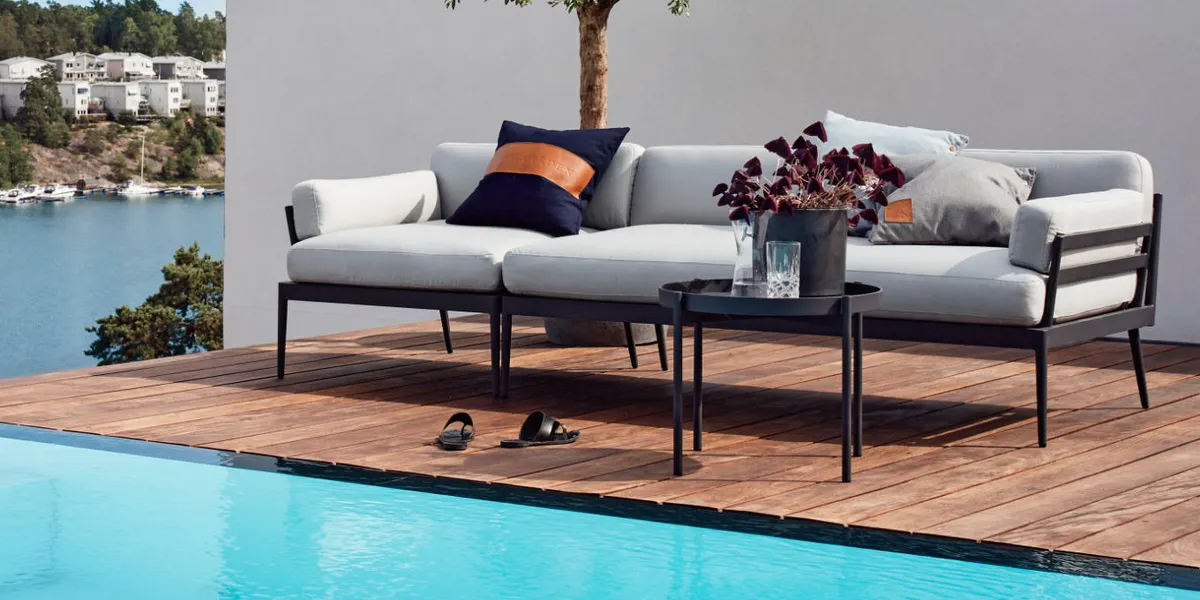
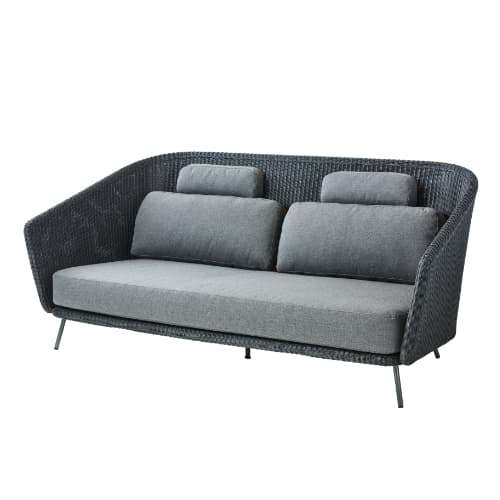
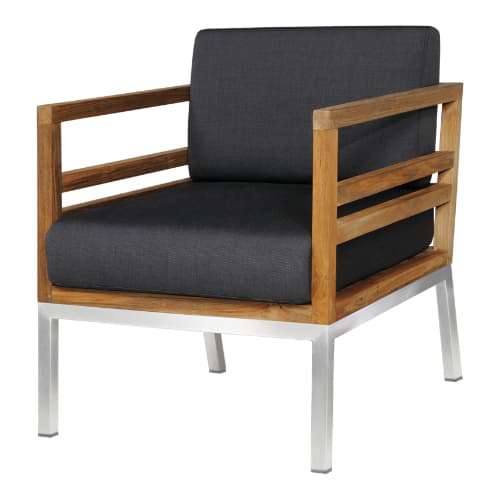
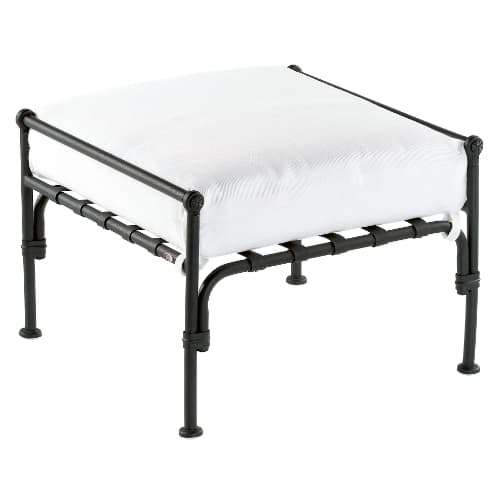
Lounge seating for patios, terraces and pool decks
Outdoor lounge furniture is what turns a patio, terrace or pool deck into a place where people settle in, not just pass through. It’s the seating you choose when conversation, quiet time and longer stays matter more than table settings.
Whether you’re furnishing a single balcony, a poolside lounge or a series of outdoor rooms, the goal is the same: create seating that feels comfortable, proportionate and calm, without overwhelming the architecture or the way people move through the space.
Planning your lounge zones
Start by deciding what kind of lounging you’re designing for. Some spaces call for a generous sectional that anchors the entire patio; others feel better with a sofa and a pair of chairs, or a series of smaller seating clusters around a pool, fire feature or garden view.
On compact terraces and balconies, a slim-profile sofa or a pair of lounge chairs with a low table often feels more refined than a sectional that presses against every edge. Larger decks, courtyards and amenity spaces can comfortably support multiple lounge zones as long as circulation stays clear and each area has a defined purpose.
Key pieces that set the tone
Sofas and sectionals do the heavy lifting in most lounge arrangements. Sofas and loveseats suit narrower spaces and projects that benefit from flexible layouts, while sectionals shine when you want one strong seating gesture and a defined gathering zone.
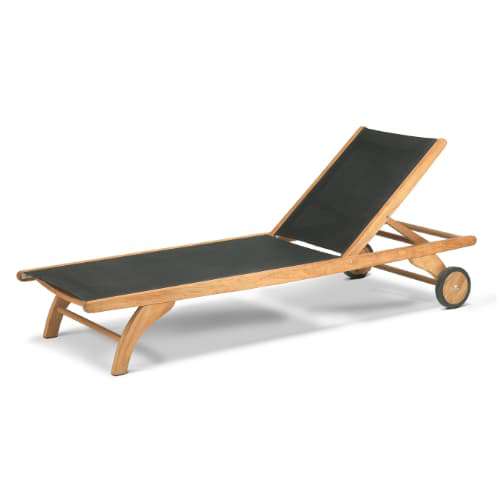
Lounge chairs, club chairs and chaises add detail and nuance around those anchors. They’re useful for balancing a layout, framing views and giving guests places to land that feel intentional rather than leftover.
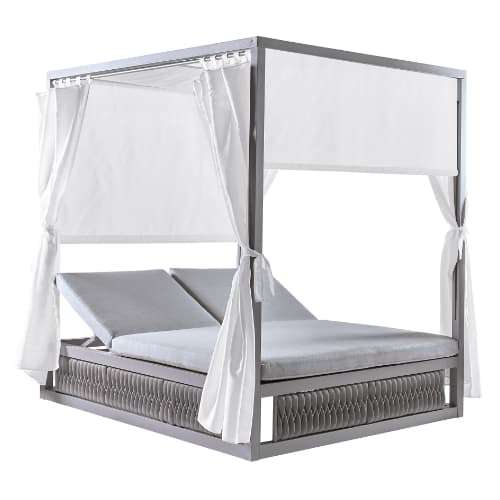
Daybeds, double chaises and deeper lounge pieces belong where lingering makes sense: poolside, in a quiet corner of the yard or on a roof deck with a view. They bring a more resort-level feel to residential projects and offer a clear focal point in larger hospitality and multifamily settings.
Pro tips – making lounge layouts work in real life
- Match the main piece to the space – Sectionals are best for generous patios where they can float or sit away from edges; sofas and chairs tend to suit balconies, narrow decks and mixed-use patios that also need dining or circulation space.
- Balance depth with usability – Deep cushions photograph beautifully, but they’re not ideal for every guest or every setting. In smaller spaces or for more upright conversation, slightly shallower seats and thoughtful seat heights often feel more comfortable in real use.
- Think in clusters, not rows – Lounges feel more inviting when seating is arranged for conversation and sightlines rather than lined up along a railing or wall. A primary cluster plus one or two supporting perches usually reads cleaner than seating on every side.
- Plan cushions and fabrics with climate in mind – Performance textiles and quick-dry cushions matter more as exposure increases. Covered terraces and mild climates give you more freedom; fully exposed pool decks and coastal settings benefit from faster-drying construction and fabrics that handle UV and salt air gracefully.
Frequently Asked Questions – Lounge seating
How do I decide whether a space should be a lounge zone or a dining area?
Start with what actually happens there most often. If the space naturally wants to host longer conversations, reading, time by the pool or a quieter retreat away from the kitchen, it usually makes more sense to treat it as a lounge zone.
If shared meals are the anchor of that part of the patio, dining will likely earn the primary role and you can layer in a smaller lounge moment elsewhere. Our patio furniture buying guide walks through those big-picture decisions with examples and measurements.
When does it make sense to create more than one lounge area?
Multiple lounge zones start to make sense once the property has distinct moments that deserve their own seating: a view, a pool edge, a fire feature, a quieter corner away from the main circulation, or a roof deck separate from the primary terrace.
On larger decks, courtyards and multi-level projects, it often works better to define a primary lounge cluster and then add one or two smaller seating groups where they naturally belong, rather than trying to create one oversized, everything-at-once arrangement. Our article on arranging patio furniture offers layout ideas and spacing guidelines that translate well to lounge planning.
How much attention should I give cushions and fabrics in a lounge area?
In lounge zones, cushions and fabrics carry most of the comfort story, so they’re worth more scrutiny than they might get on strictly dining pieces. Supportive cores, performance textiles and a good hand feel matter, especially on seating that sees daily use or lives in full sun.
If you’re comparing options, the upholstery section of our outdoor upholstery and sling materials guide goes deeper into fabric constructions, mesh seating and how different choices perform in real-world conditions.