
Outdoor Dining Furniture
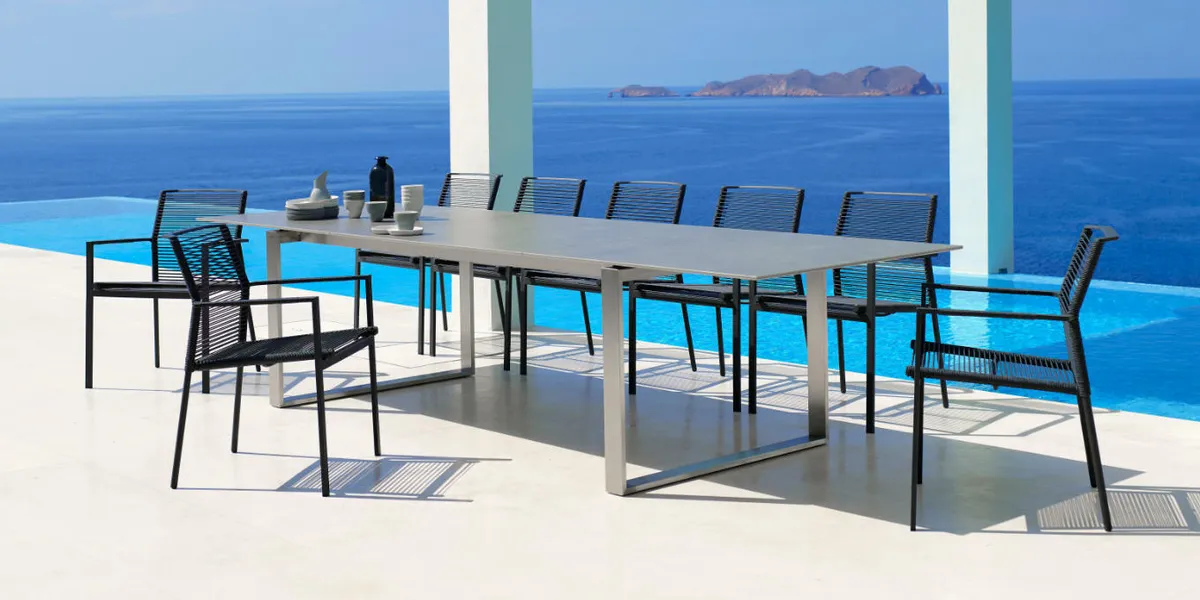
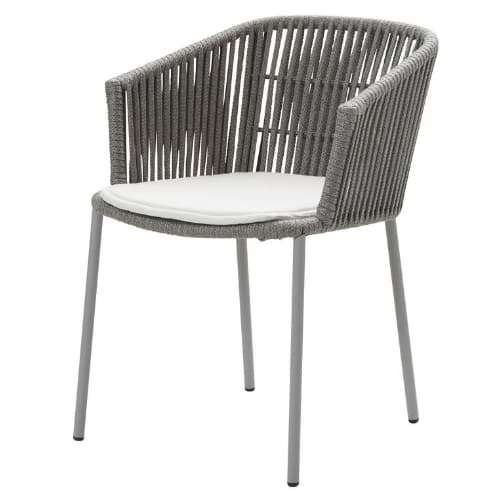
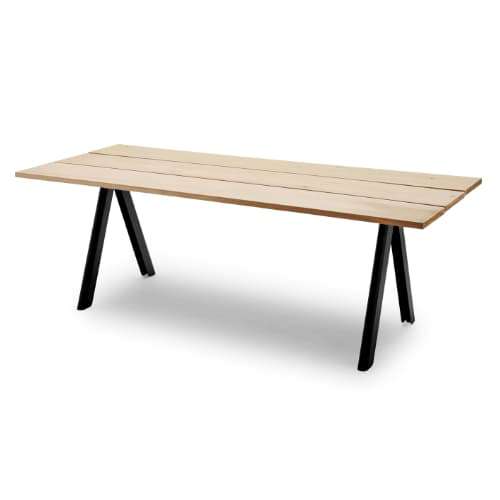
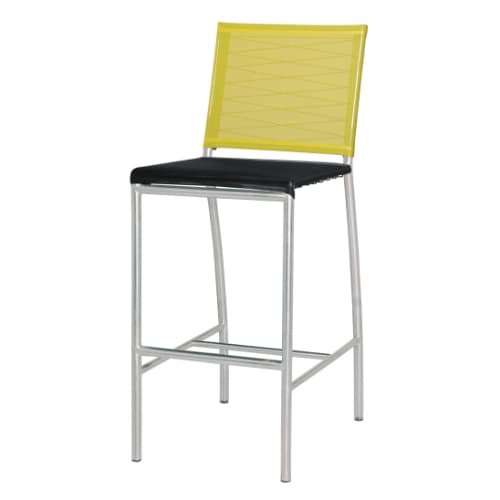
Dining furniture for patios and outdoor rooms
Outdoor dining furniture is what turns a patio, terrace or garden into a place where people sit down to eat and actually stay a while. It’s the part of the project that has to get seat count, table size and circulation right or the space never quite feels effortless.
Whether the brief is a compact bistro setup, a family table on the deck or a more formal entertaining zone, the goal’s the same. Choose pieces that suit the architecture, support the way you host and stand up to weather without looking tired after a couple of seasons.
How to think about your dining setup
Start with how the space earns its keep most days. Some patios really do function as outdoor dining rooms where meals are the main event. Others work better when dining shares the stage with a lounge area, bar-height seating or a poolside perch for drinks and smaller bites.
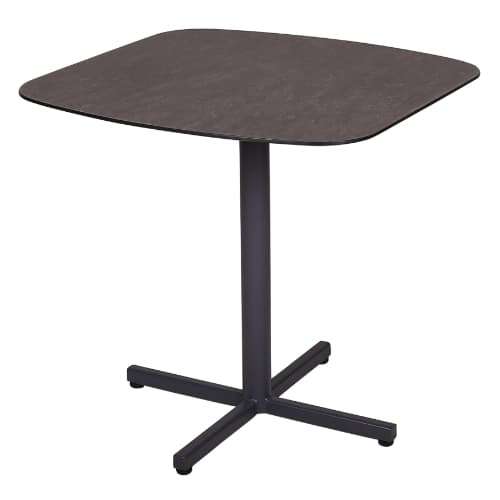
On small balconies and tight terraces, a bistro table or compact dining setup for two to four often feels more natural than a full-length table that dominates the footprint. Larger decks, courtyards and covered outdoor rooms can support longer tables and more generous seating, as long as chairs can pull out comfortably and people can move around the setup without the whole thing turning into a traffic problem.
Table shape, seat count and atmosphere
Table shape quietly changes the mood of a space. Round and square tables usually feel more intimate and conversational, while rectangular and oval tables bring a clearer sense of structure and tend to suit larger groups or longer footprints.
Seat count should reflect the way you actually host, not the once-a-year crowd. A table that fits the space well for everyday meals is usually the better investment, and it almost always looks more considered than forcing extra seats into a layout that was already asking for restraint.
The overall feel matters too. Some outdoor dining areas are relaxed and unfussy, built for family meals and easy mornings. Others are more composed, with a stronger architectural presence and a more polished entertaining rhythm. Neither is better. The right choice depends on how formal the experience is meant to feel and what the rest of the property is already saying.
Pro tips – getting outdoor dining right the first time
- Measure the room around the table – The table itself is only part of the footprint. Chairs need space to slide out and people need room to move past them without apologizing every few seconds.
- Let the setting suggest the format – Full dining tables make sense when meals are the main event. Bistro and bar-height pieces tend to work better in secondary areas, smaller footprints and spaces built more for drinks, coffee or lighter bites.
- Choose seat count for real life – Buying for your usual group size almost always leads to a better result than buying for the biggest gathering you can imagine. Overflow solutions are easier to add than daily regret.
- Match the tone to the property – A relaxed coastal terrace, a city rooftop and a formal backyard entertaining area don’t ask for the same dining setup. The best projects feel like they belong exactly where they are.
Frequently Asked Questions – Outdoor dining furniture
How do I decide between a full dining setup and a bar or bistro arrangement?
Think about what actually happens in the space most often. If meals are the main event and people tend to linger, a standard-height dining setup usually makes more sense and feels easier to live with over time.
Bar and bistro arrangements tend to shine in smaller areas, secondary zones and spaces built around coffee, drinks or lighter meals. They’re also useful when you want a dining moment without giving the entire patio over to it.
When does it make sense to create more than one dining area?
More than one dining area starts to make sense when the property naturally supports different kinds of use. A main table near the kitchen, a smaller breakfast spot on a balcony or a bar-height perch by the pool can all earn their keep when each one has a clear purpose.
For larger homes, multifamily projects and hospitality settings, separate dining moments often work better than one oversized setup trying to do everything. It tends to feel more intentional, and usually a bit more elegant too.
How formal should an outdoor dining area feel?
Most spaces work best when they’re honest about how they’ll be used. If the patio sees weeknight dinners, weekend brunches and the occasional gathering, a comfortable and relaxed setup usually serves the space better than something overly formal.
When the brief leans more toward entertaining, hospitality or event use, a more structured arrangement can make sense. That might mean a stronger table silhouette, more tailored seating or a layout that feels a little more composed and less improvised.