
Ethanol Burners
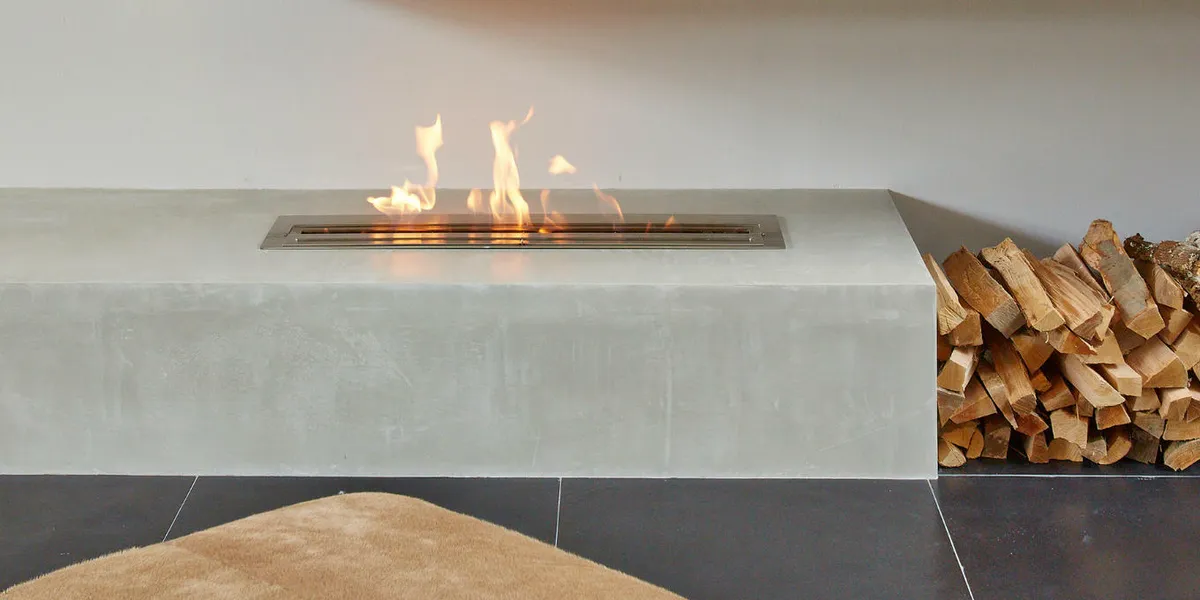
Ethanol burners for clean, flexible fire design
Ethanol burners are the fire core inside many ventless fireplaces, fire tables and custom fire features. They make it possible to create a real flame without a gas line, chimney or flue, which gives designers and homeowners much more freedom in where a fire feature can go.
In our current collection, you’ll mainly find premium bioethanol burners designed for clean-lined indoor and outdoor installations. They’re a strong fit when the goal is real flame, streamlined design and less mess than wood, without the infrastructure that usually comes with gas.
Where ethanol burners make the most sense
Custom fireplaces
Best when you want a ventless built-in fire feature without designing around a chimney or gas connection. Ethanol burners give architects, designers and homeowners more freedom to shape the surround and viewing angle.
Fire tables and fire pits
Best when you want a cleaner flame in a freestanding or integrated outdoor design. They work especially well in modern tables and low-profile fire features where a simple burner form keeps the overall look tidy.
Indoor-outdoor projects
Best for spaces that blur the line between inside and out, like covered terraces, outdoor rooms and hospitality settings. A ventless burner gives you more placement flexibility when traditional venting would be awkward or excessive.
Why choose a bioethanol burner?
The main appeal is flexibility. Ethanol burners are ventless, so they don’t need a flue, chimney or fixed gas line, which makes them easier to integrate into custom designs than many traditional fire options.
They also burn cleanly, with no soot, ash or wood debris to manage afterward. That doesn’t mean they’re casual decor, because they still produce a real flame, but they do simplify the day-to-day experience for people who want fire without all the usual cleanup and infrastructure.
If you want to dig deeper into fireplace planning and ventless installation ideas, our fireplace insert buying guide is a useful next read.
Pro tips: choosing an ethanol burner that suits the build
- Start with the finished feature, not the burner alone - The burner is the fire source, but the surrounding materials, proportions and viewing angles are what make the project feel resolved.
- Use ethanol when venting is the real obstacle - If a gas line, chimney or flue would complicate the design too much, a bioethanol burner can open up cleaner options.
- Remember that ventless still means real flame - Ethanol burners avoid soot and chimney work, but they still need proper installation, sensible clearances and careful fuel handling.
- Think through fueling and shutoff early - A custom feature should still be practical to use once it’s built. Make sure refilling, lighting and extinguishing the flame won’t be awkward in the finished design.
- Match expectations to the job - Ethanol burners are excellent for ambiance, design freedom and moderate warmth. If the main goal is pushing strong heat across a large outdoor area, another type of fire feature may make more sense.
Current range and design flexibility
Our current ethanol burner assortment focuses on premium stainless steel designs suited to both indoor and outdoor use. That makes this category especially useful for custom fireplace projects, modern fire tables and architectural installs where a quiet, minimal burner lets the surrounding materials do more of the visual work.
As this category evolves, exact shapes, sizes and brand-specific features may change, but the core appeal stays the same: a clean-burning ventless flame source that gives you more freedom than traditional wood or gas setups.
Frequently Asked Questions – Ethanol burners
Do ethanol burners need a chimney or flue?
No. Ethanol burners are ventless, so they do not require a chimney, flue or gas line. That’s a big part of why they’re so useful in custom fireplaces, fire tables and outdoor features where traditional venting would be difficult or overly restrictive.
That said, ventless does not mean thoughtless. Ethanol burners still produce a real flame, so they need proper installation, suitable surrounding materials and use that follows the manufacturer’s instructions.
Can ethanol burners be used indoors and outdoors?
Many ethanol burners are designed for both indoor and outdoor use, which is one of their biggest advantages. They work especially well in spaces where you want a built-in flame but don’t want to deal with a chimney, soot or a fixed gas connection.
The exact answer still depends on the burner model and the way it’s being installed. Always check the product’s location rating and installation requirements before building it into a wall, table or custom surround.
Are ethanol burners mainly for heat or for ambiance?
Ethanol burners do provide real warmth, but they’re usually chosen as much for design flexibility and flame quality as for heat output. They’re a strong fit when you want atmosphere, clean operation and a more architectural fire feature.
If your priority is maximum heat in a large or exposed outdoor area, gas fire features or patio heaters may be the more practical path. Ethanol tends to shine when appearance, simplicity and installation freedom matter most.