
Fireplace Inserts
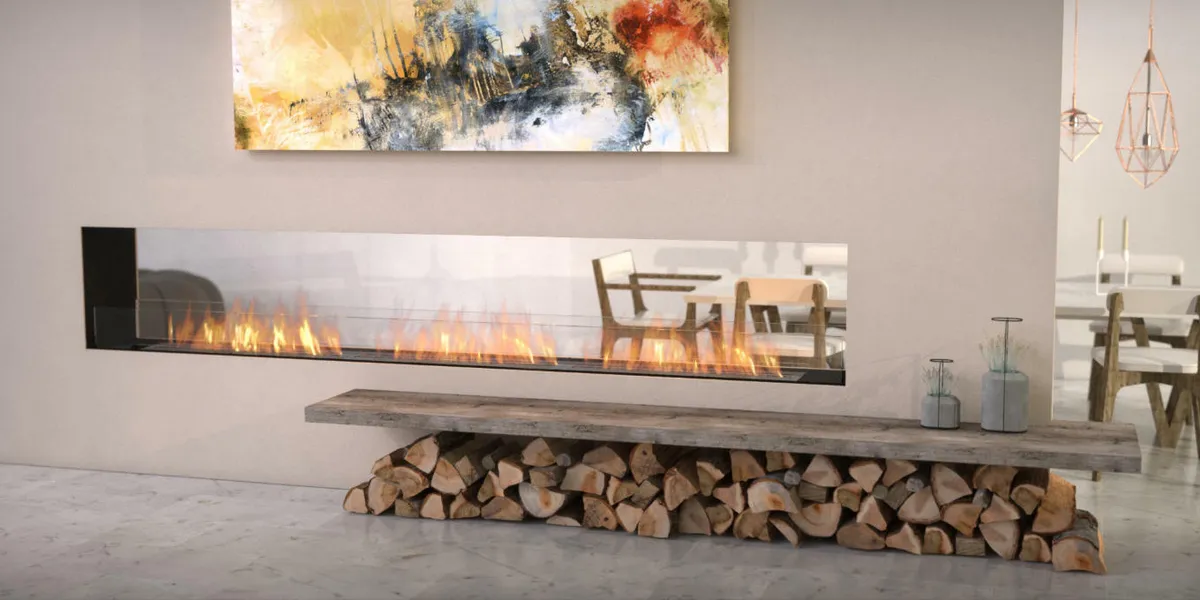
Fireplace inserts for clean, built-in flame
Fireplace inserts are for spaces where you want the look of a built-in fire without rebuilding the whole wall. They sit inside a framed opening, deliver a controlled flame and turn a blank surface into a defined focal point indoors or in covered outdoor rooms.
In this category, the main choices are simple: bio-ethanol or electric, how much real heat you want and how exposed the installation will be. All of the insert products we carry are ventless, so they don’t require a chimney or flue, though electric models are better suited to locations with some shelter from direct weather.
Which fireplace insert type fits your project?
Bio-ethanol fireplace inserts
Best when you want a real flame in a built-in opening without a chimney or gas line. Ethanol inserts burn cleanly, install more flexibly than traditional fireplaces and work well in both indoor rooms and outdoor living spaces.
Electric fireplace inserts
Best when you want simple installation, adjustable heat and flame effects without handling liquid fuel. Electric inserts are easy to integrate into wall designs and covered outdoor settings, but they do need protection from direct exposure to the elements.
Ventless design and where these inserts work
Because these fireplace inserts are ventless, they open up design options that wouldn’t make sense with a chimney-based fireplace. That makes them useful for modern interiors, covered patios and custom feature walls where structure, venting or layout would make a traditional fireplace harder to justify.
Bio-ethanol units offer a real flame and are often available in a range of widths and viewing configurations, including single-sided, corner and see-through formats. Electric inserts trade live flame for convenience, control and easier day-to-day operation, which can be appealing when you want the look with less maintenance.
If you want to go deeper into sizing, installation planning and fuel tradeoffs, our fireplace insert buying guide covers the finer points in more detail.
Pro tips: choosing a fireplace insert that fits the space
- Start with the wall, not the flame - The size, depth and exposure of the wall opening will narrow your options faster than style preferences alone.
- Choose bio-ethanol when the real flame is the priority - Ethanol inserts are the better fit when you want live fire and a more architectural fireplace effect without a flue.
- Choose electric when convenience matters more - Electric inserts are easier to operate and adjust, especially in spaces where simple controls and optional heat matter more than a true flame.
- Think about exposure before placing an insert outdoors - Even ventless units need to be installed in appropriate locations, and electric fireplaces in particular are better suited to covered outdoor rooms than fully exposed walls.
- Use configuration to shape the room - A single-sided insert keeps the fire focused in one direction, while corner and multi-sided ethanol designs can help connect adjacent seating areas or create a stronger visual statement.
Frequently Asked Questions – Fireplace inserts
Do fireplace inserts need a chimney or flue?
Not always. The fireplace inserts in this category are ventless, which means they do not require a chimney or flue. That makes them much easier to integrate into modern walls, remodels and outdoor living projects where traditional venting would be difficult or overly complicated.
Ventless does not mean carefree, though. You still need to follow the manufacturer’s installation guidance, choose an appropriate location and make sure the surrounding materials and structure are suitable for the unit you select.
Should I choose a bio-ethanol or electric fireplace insert?
Choose bio-ethanol if you want a real flame and a more authentic fire experience without adding a chimney or gas line. Choose electric if you want easier controls, adjustable heat and simpler day-to-day operation.
Both are clean, ventless options, but they create different experiences. Ethanol is usually about real flame and atmosphere, while electric is about convenience, flexibility and low-maintenance comfort.
Can fireplace inserts be used outdoors?
Many ventless inserts can work beautifully outdoors, especially in covered patios and outdoor rooms where the fire becomes part of a built-in feature wall. The key is making sure the specific model is rated for the location and installed with the required clearances.
Bio-ethanol inserts are generally more flexible in outdoor settings, while electric inserts usually need more protection from direct weather. If the wall is fully exposed, it’s worth checking the installation requirements before designing around a specific unit.