
Fire Tables
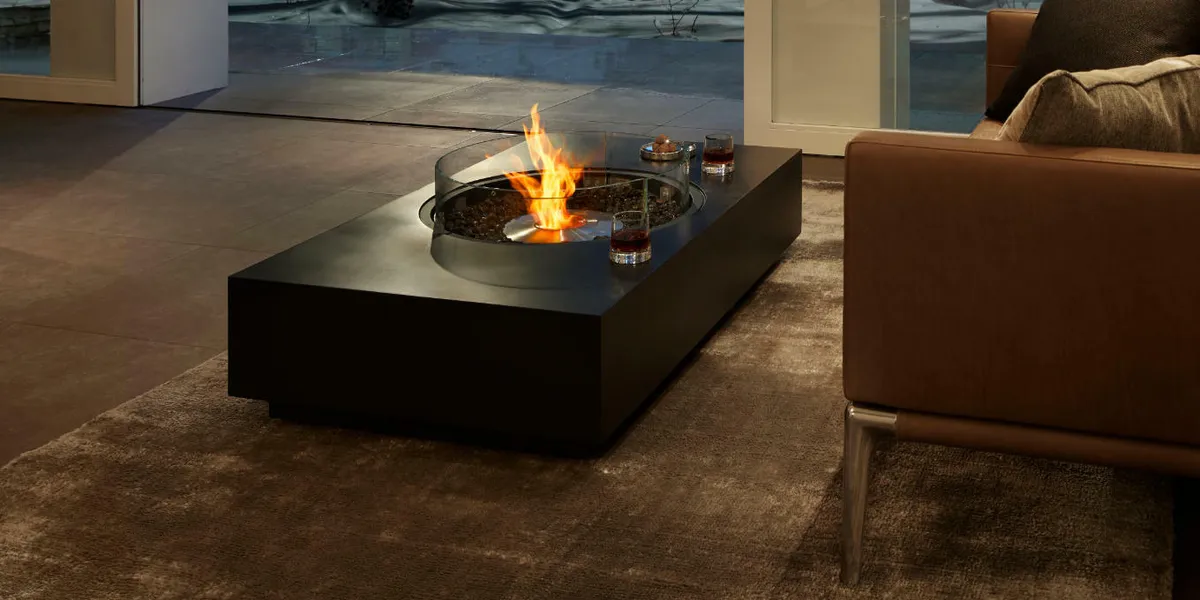
Fire tables for warm, usable gathering spaces
Fire tables blend a real flame with a usable surface, so the same piece that anchors your seating group can also hold drinks, plates and everything else that shows up once people sit down. They are a good fit when you want both warmth and a functional table instead of a separate fire pit and coffee table competing for the same footprint.
This category is for multi-purpose fire features that work as furniture and fire at the same time. The main decisions are scale, seating height, shape, material, fuel type and how much heat you expect the table to provide versus how much you want the flame to shape the mood of the space.
How to choose a fire table for your space
Start with seating height. A lower fire table generally feels most natural with deep seating and lounge chairs. Dining-height designs work with standard outdoor dining chairs, while taller tables are better suited to stools, standing-height entertaining or compact layouts where people tend to perch rather than settle in.
Then match the shape to the seating plan. Round and square fire tables work well when people gather from several sides. Rectangular and linear tables tend to suit sectionals, parallel sofas and larger seating groups, where their longer profile can help organize the space without interrupting circulation.
Finally, choose the material and fuel configuration. Fiber concrete and metal fire tables each bring a different visual weight, finish character and maintenance profile. Natural gas is well suited to a fixed, planned location, while propane can work where a gas line is not available. Always confirm tank storage, hose routing and the exact installation requirements for the model you choose.
Fuel types and what they change
Fuel type shapes the day-to-day experience more than most shoppers expect. Natural gas fire tables are ideal when you have, or plan to add, a plumbed gas line and want a fixed feature with a continuous fuel supply. They are especially well suited to a permanent lounge or entertaining layout.
Propane offers a more flexible path when a natural-gas line is not available. Before choosing a propane fire table, confirm how the tank is handled: some designs conceal it within the base, while others require a remote tank location and hose routing. The best choice depends on your installation options, desired placement and how permanent you want the setup to be.
How the table works in the layout
Surface area, burner placement and table proportions all affect how a fire table feels once the seats are filled. A long rectangular table can anchor a larger seating group, while compact square or round versions are easier to live with on balconies, rooftops and smaller patios where every inch already has a job.
Details like wind guards, burner covers and table lids also change how usable the table feels between burns. If you want to go deeper into sizing, fuel choices and layout planning, our Fire Pit Table Buying Guide covers the finer points without forcing this page to become a small novel.
Pro tips: choosing a fire table that actually fits your life
- Size the table to the seating, not the empty patio - It should feel reachable from every seat without forcing people to lean over the flame or stretch for a glass.
- Pick a height to match how you really use the space - Lounge areas usually want a lower table, dining zones need a height compatible with dining chairs and standing or mixed-use setups may justify a taller profile.
- Plan fuel and storage at the same time - Natural gas means thinking about where the line runs. Propane means confirming tank storage, hose routing and service access before the table is in place.
- Think about the table’s off-mode - If you want a true everyday surface, look for designs with cover plates or lids that protect the burner and expand the usable tabletop when the fire is not in use.
- Match heat expectations to the setting - Fire tables add meaningful close-range warmth and a strong visual focal point, but wind, exposure and seating distance affect real-world comfort. In colder or more exposed spaces, a dedicated patio heater may do more of the heating work.
Explore related fire features
Fire Pits
Explore fire pits when the primary goal is a more open, gathering-focused flame without the table-first format.
Outdoor Fireplaces
For a permanent architectural focal point, explore outdoor fireplaces for built-in outdoor rooms and project-oriented installations.
Fire Sculptures
Architectural fire sculptures pair ambient flame with sculptural metal forms for a more design-forward outdoor statement.
Fire Feature Parts & Accessories
Shop fire feature parts and accessories, including fire media, burners, ignition components, wind guards, covers, lids and replacement parts.
Frequently Asked Questions – Fire Tables
Can I use a fire table indoors?
Most fire tables are designed for outdoor use only. Natural-gas and propane fire tables should never be used indoors unless the manufacturer explicitly rates the exact model for indoor installation and all required ventilation, clearance and code requirements are met.
For a patio, covered outdoor room or similar setting, always follow the specific product manual and applicable local requirements. If there is any uncertainty, treat the fire table as outdoor-only.
How much clearance do I need around a fire table?
Clearance requirements vary by model, but you will generally need open space above the burner, a buffer between the table and nearby walls or railings and enough room for chairs and walkways that keep people a safe distance from the flame.
The product specifications will list the minimum clearances. It is worth taping those out on your patio before buying so you can see how the layout actually feels with real circulation space, not just theoretical dimensions.
Are fire tables mainly for warmth or for ambiance?
They can do both, but a fire table is usually chosen first for the atmosphere and gathering point it creates. Gas fire tables can add meaningful close-range warmth, particularly in protected seating areas, but wind, exposure, burner output and seating distance all affect how much comfort people actually feel.
If your main goal is extending patio season across a cold or exposed space, a dedicated patio heater may carry more of the heating workload. Fire tables are at their best when they also anchor conversation and provide a useful surface around the flame.