
Resin Wicker Patio Furniture
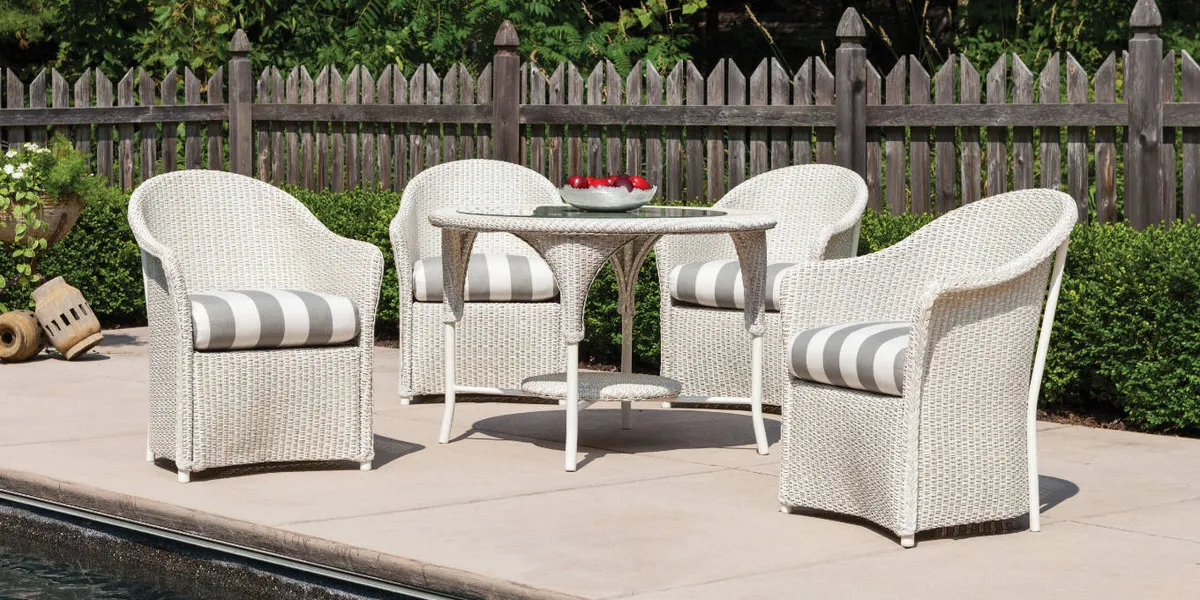



All-weather wicker that keeps the woven look without the worry
High-density polyethylene (HDPE) resin wicker has quietly become the woven material of choice for outdoor furniture. It keeps the familiar texture and pattern of classic wicker but swaps vulnerable natural fibers for a durable, weather-ready weave that actually fits modern patios, decks and pool areas.
For upscale homes, hotels and hospitality spaces that want a softer, more inviting look than bare metal or solid wood can give on their own, synthetic wicker hits a useful middle ground. It feels relaxed rather than rigid, but it’s built to handle real weather and daily use.
Why resin wicker works outdoors
Traditional wicker made from rattan, seagrass and other plant fibers looks beautiful indoors, but it isn’t built for extended time outside. Humidity, rain and standing moisture can undo that charm quickly, turning a once-perfect chair into something that feels more fragile than intentional.
Outdoor-ready resin wicker is designed to sidestep those problems. HDPE strands are wrapped over weather-resistant frames, usually aluminum, and engineered to flex without cracking, resist fade and shrug off the kind of conditions that would quickly age organic wicker. If you want to see how woven plastics compare to other frame and tabletop materials, the resin section of our outdoor furniture materials guide for resin wicker and plastics is a helpful overview.
How woven furniture changes the feel of a space
Resin wicker adds softness and texture in a way that hard materials simply can’t. It can make a balcony, courtyard or poolside deck feel more like a living room, especially when you layer in cushions and pillows that pick up your project’s palette.
It’s worth remembering that many woven pieces, especially those with aluminum frames, are relatively light. That’s helpful when layouts change often, but in exposed or windy environments some styles may need added weight, tie-down solutions or more anchored companions so they don’t shift or tip unexpectedly.
The material itself is also more flexible than it looks. Tight, traditional weaves work well for porches and classic garden settings, while wider, more open patterns and darker tones suit resort-style lounges and contemporary terraces. The same underlying performance lets you steer the aesthetic from coastal to urban without changing materials.
Color and weave options
One of the advantages of synthetic wicker is the color range. Neutral browns and taupes can pass very convincingly for natural weave, especially once cushions and surroundings are in place. Greys, charcoals and blacks lean more modern and pair easily with concrete, stone and metal details.
For projects that want a bit more personality, resin wicker can also be specified in bolder tones for lounge chairs, barstools or accent pieces. Even then, most of the visual work usually happens in the textiles and pillows, which lets the woven frames stay composed while the color story evolves over time.
Pro tips – deciding whether wicker is the right move
- Match the weave to the setting – Tighter, more traditional patterns feel at home on porches and classic patios. Wider, more open weaves often suit resort-style lounges and contemporary terraces better.
- Pay attention to the frame underneath – Most quality resin wicker is wrapped over aluminum. That combination keeps weight manageable and resists corrosion. Lower-end pieces may cut corners here, which usually shows up in how they feel and how long they last.
- Plan for wind and weight – Lighter woven pieces can be more vulnerable in exposed sites, especially armless chairs and smaller tables. Upholstered lounges with substantial cushions, weighted bases or tie-down solutions tend to behave better on rooftops and coastal decks.
- Think about how people actually use the space – Wicker is ideal for lounge and conversation zones where comfort matters. For dining in very high-traffic commercial settings, metal or teak frames may still be the better long-term anchor with wicker used more sparingly.
- Watch for lookalike plastics – Not all synthetic wicker ages the same way. HDPE strands are designed to flex and resist cracking. Cheaper plastics can dry out, chalk and fail sooner, which defeats the purpose of investing in woven pieces in the first place.
- Treat cushions as part of the decision – The comfort and look of an all-weather wicker set depend as much on the cushions and textiles as on the weave itself. Good outdoor fabrics and quick-dry inserts help the whole setup feel intentional rather than improvised.
Maintaining woven outdoor furniture
Day-to-day care is simple. Most HDPE wicker needs only occasional rinsing and a wipe with mild soap and water to clear away dust, pollen and everyday spills. That keeps the surface looking fresh without a long list of specialized products.
In harsher climates, especially where sun is intense or the furniture lives near a pool, covers and sensible storage still help extend the life of the finish and cushions. For more detailed routines and tips for mixed-material sets, our outdoor furniture cleaning and care guides cover broader maintenance strategies so this page can stay focused on whether all-weather wicker is the right choice in the first place.
Frequently Asked Questions – All-weather wicker furniture
Can all-weather wicker stay outside year-round?
High-quality resin wicker is designed to handle sun, rain and seasonal changes better than natural wicker. In many climates it can stay outside most of the year without issue, especially when paired with good frames and cushions.
That said, covers and sensible off-season storage will always help extend the life of both the weave and the textiles, particularly in harsher sun or freeze-thaw conditions.
How does synthetic wicker compare to natural wicker in look and feel?
Modern HDPE wicker is surprisingly convincing, especially in neutral tones and tighter weaves. It delivers much of the same warmth and texture as natural wicker, with far better outdoor performance.
Close up, some projects still prefer the nuance of natural fibers indoors. Outdoors, the balance often tips toward resin because it looks composed years after real rattan would have started to struggle.
Is all-weather wicker a good choice for hospitality spaces?
It often is, particularly for lounge areas, pool decks and terraces where comfort and atmosphere matter as much as durability. Resin wicker softens harder architecture and can feel more inviting to guests than bare metal on its own.
For very high-traffic dining or bar environments, many projects still rely on metal or teak for primary frames and layer in wicker where it makes the most visual and experiential sense.