
Outdoor Lounge Chairs
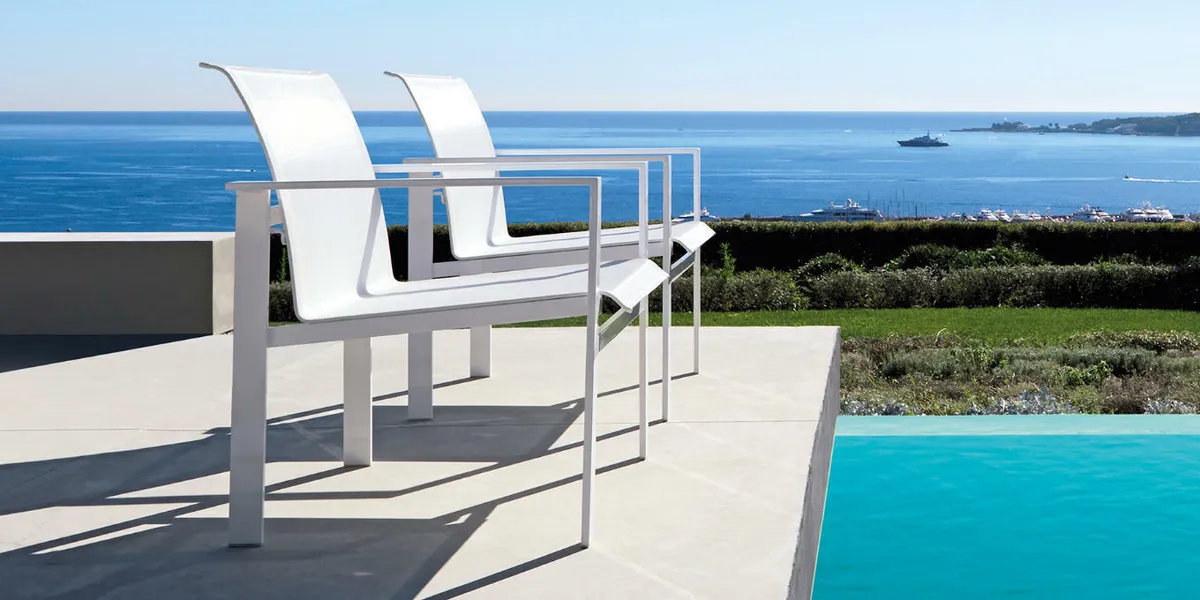



Outdoor lounge chairs that keep conversations comfortable
Lounge chairs are the pieces people reach for when they want to sit back, talk and still feel supported. They keep you more upright than a sunlounger or daybed, so they’re easier for reading, holding a drink or watching the rest of the space.
They’re also easier to move than sofas or sectionals. You can pivot them toward a fire pit, angle them toward a view or pull them into a tighter circle when the conversation needs its own corner.
What actually changes from one lounge chair to another
Back height, arms and seat feel do most of the work. Lower backs keep sightlines open and suit spaces where the view matters. Higher backs and more enveloping shapes offer support for longer sits and can make a pair of chairs feel like its own small room.
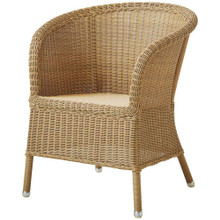
Arms and seat construction change how generous each chair feels. Wide arms and loose cushions encourage longer visits but need more room between seats. Slimmer arms, sling seats and tighter upholstery fit more chairs into a compact area and feel crisper in more modern settings.
Portability, exposure and cushions
How easy a chair is to move affects how often you’ll use it. Lighter frames and swivel bases suit layouts that shift with the sun, fire or view. Heavier, more sculptural pieces belong where the arrangement rarely changes.
Cushions and fabrics should match how exposed the spot is. Quick-dry inners and performance textiles matter most on open decks and near pools. Under cover, you can lean further into texture and shape, since drying time is less of a constraint.
Pro tips – choosing lounge chairs that really earn their space
- Give each chair a clear job – Decide whether it’s flanking a sofa, anchoring a reading corner or sitting around a fire pit. That helps narrow back height, arms and footprint quickly.
- Balance view lines with support – Use lower-backed chairs where you want to see past the seating to the landscape. Save taller, more cocooning shapes for places meant for longer, quieter time.
- Test how easy they are to shift – If you’ll often re-angle seats toward sun, shade or conversation, prioritize lighter frames or swivel bases over very heavy designs.
- Match cushions to the weather, not the catalog – On exposed patios, quick-dry cushions and performance fabrics are worth it. In covered areas, comfort and silhouette can come first because the weather’s already filtered.
Frequently Asked Questions – Outdoor lounge chairs
How many lounge chairs make sense in one seating area?
In most lounges, two lounge chairs with a sofa or loveseat is enough. That gives you variety without turning the setup into a ring of identical seats.
On smaller patios without room for a sofa, three or four chairs around a low table can stand in for a full lounge set, as long as there’s room to move between them.
Are rocking or swivel lounge chairs a good idea outside?
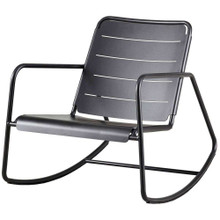
They can be, especially on covered patios or near views you’d like to turn toward. Swivel bases make it easier to pivot without scraping legs. Rockers suit quieter corners meant for reading or relaxing.
Just make sure there’s enough clearance for the motion and that the base works with your surface so the chair feels stable, not wobbly.
Where do Adirondack chairs fit into an outdoor lounge?
Adirondack chairs sit lower and lean back more than most lounge chairs, which makes them great for relaxed views and fire pits but less ideal for eating or working at a table.
If you’re considering them for your space, our guide to choosing Adirondack chairs covers comfort, materials and how they behave in different settings.