
Replacement Outdoor Cushions
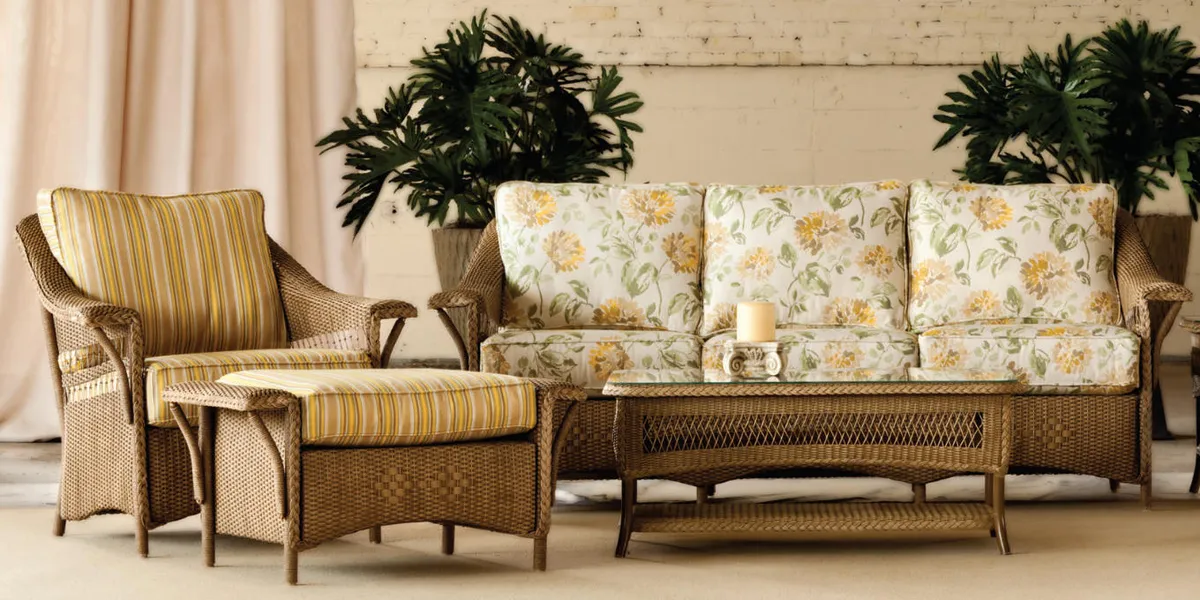


Is it time to replace your patio furniture cushions?
Outdoor cushions do a lot of quiet work. They carry the comfort of a sofa, the color story of a terrace and a fair share of spilled drinks and sunscreen. Even on high-end furniture, covers fade and foams eventually lose their support, especially in real weather and real use.
Replacing cushions can be a smarter move than replacing entire seating groups, particularly when the frames still look good. Thoughtful replacement cushions bring the comfort and color back without asking you to start over from scratch.
How to choose high-quality outdoor cushions
Choose high-performance fabrics
Weather-resistant cushion fabrics help protect the foam inside and keep a space looking composed longer. Solution-dyed acrylics and polyesters, along with certain olefin weaves from brands like Sunbrella and Outdura, are designed for outdoor use and hold up far better than basic textiles in sun, rain and frequent use.
They also tend to clean up more easily, which matters in both residential settings and hospitality projects where cushions do not get to live a particularly sheltered life.
Look for quick-dry foam cores
Foam does as much for comfort as fabric does for appearance. Fast-drying inserts like Urecel Quickdry Foam use an open-cell structure to drain water and invite air through the cushion. That helps moisture escape instead of sitting inside, which means fewer soggy seats and less risk of trapped moisture leading to mildew.
If you’d like a broader overview of foam types, firmness levels and how they perform outdoors, the cushions and foam section of our outdoor furniture materials guide for cushions, pillows and foam covers the main options without requiring an upholstery degree.
Branded replacements vs custom cushions
When the furniture you own is still in production, branded replacement cushions from the original manufacturer are usually the cleanest solution. They’re designed to match the frames, proportions and details you already have, so fit, comfort and seam placement feel intentional rather than approximate.
In other situations – a collection has been discontinued, a brand is no longer in business or original replacements are no longer available – custom cushions may be the only route left. We don’t sell non-branded custom options, but it’s still worth understanding fabrics and foams so you know what to look for if that becomes the fallback. That is also where careful measuring starts to matter much more, because good materials can still look wrong if the proportions are off.
Refreshing the look without replacing the furniture
New cushions can also reset the visual tone of a space. Some projects stay close to the original palette, while others use replacement upholstery to move toward richer neutrals, deeper contrast or a quieter resort-style look.
This is also where pillows, throws and umbrella fabric can help tie the update together. You do not need to reinvent the whole patio to make it feel considered again. Sometimes the frames are fine and the textiles are simply overdue for a better chapter.
Pro tips – getting more out of replacement cushions
- Decide what’s really staying – If the frames and layout are solid, focus cushions on comfort, height and color. If the furniture itself is tired or underbuilt, new cushions may only disguise the problem for a little while.
- Match cushion builds to how the space runs – Deep lounge seating, dining chairs and bar stools all benefit from different foam profiles and fabric choices. In staffed hospitality spaces, removable covers and quick-dry cores are as much about housekeeping and turnover as they are about design.
- Let exposure guide some decisions – Covered loggias and shaded decks are more forgiving. Fully exposed rooftops and pool surrounds ask more of every material, so higher-grade textiles and faster-drying inserts usually earn their keep there.
- Use branded replacements when they’re available – When a collection is still current, cushions from the original maker tend to fit better and sit more naturally than generic options. Custom routes make more sense when the originals simply no longer exist.
Frequently Asked Questions – Outdoor replacement cushions
What are the best fabrics for outdoor cushions?
Solution-dyed acrylic and polyester fabrics are often the top choices for outdoor cushions, because the color is built into the yarn rather than printed on the surface. That helps them resist fading, handle frequent use and clean up more easily than many basic textiles.
Premium brands such as Sunbrella and Outdura develop fabrics specifically for outdoor cushions, pillows and umbrellas. Olefin can be a comfortable option as well, especially where a softer hand is a priority, but it tends to be more sensitive to higher heat and UV over time than the very top-tier acrylics.
When should I replace outdoor cushions instead of just cleaning them?
Cleaning can go a long way, but there are a few signs that usually point toward replacement. Persistent fading, deep stains that won’t lift, fabric that’s tearing or fraying and foam that no longer returns to shape are all cues that the cushions have reached the end of their useful life.
If seats feel noticeably flatter, uneven or less supportive, or if you see signs of mold or mildew inside the cushion, it is often better to replace covers and inserts than to keep fighting with material that has already broken down.
Are higher-end foams and fabrics worth the investment?
In many projects they are, especially when the space sees regular use or has higher expectations for guest comfort. Better foams hold their shape and support longer, and higher-grade fabrics tend to stay more stable in color and texture over time.
For private terraces and high-use hospitality spaces alike, the cost difference often spreads out over years of service. That can make the investment more about reducing future replacements and maintaining a consistent look than simply choosing the most expensive option on principle.