
Patio Umbrellas & Outdoor Shades

Luxury outdoor umbrellas, shade structures, bases and mounts
Choosing the right shade system isn’t just about picking a diameter and a color. The best solution for a coastal deck, a compact café patio or a multi-zone pool area can be completely different, even at the same canopy size.
Our umbrellas, shade structures and bases are designed for projects where wind exposure, usage frequency and long-term durability matter as much as style. Use this page to get oriented, then let the categories above take you into the types that match how your space actually works.
Explore shade types
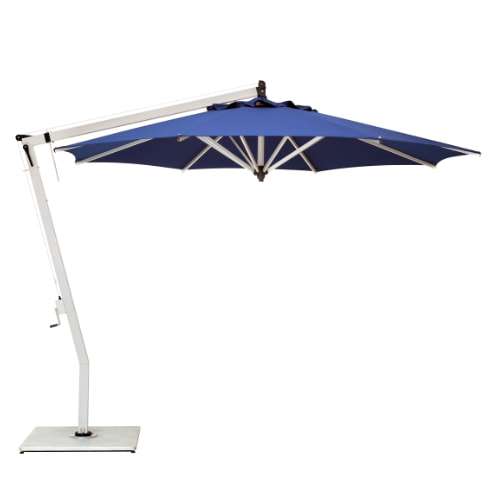
Cantilever and offset umbrellas
Best when you need open space beneath the canopy or want one umbrella to shade a lounge, dining or poolside area without a center pole in the way. These side post designs offer excellent flexibility but usually need more clearance and heavier bases or mounts than market umbrellas.
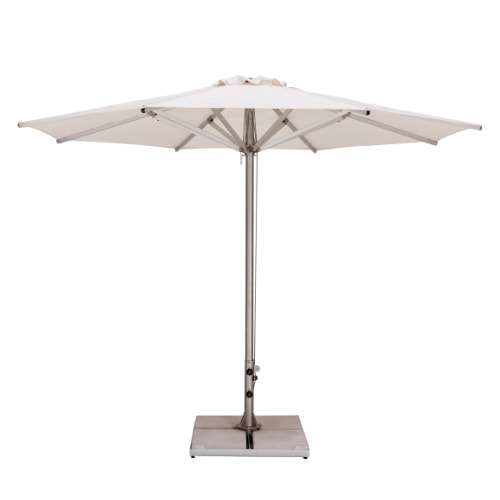
Market and center pole umbrellas
A practical choice for dining tables, smaller seating areas and layouts where portability matters. They’re simpler to position and move, though frame strength and base selection become especially important in windy or high-use spaces. They also play nicely with tables that already have an umbrella hole.
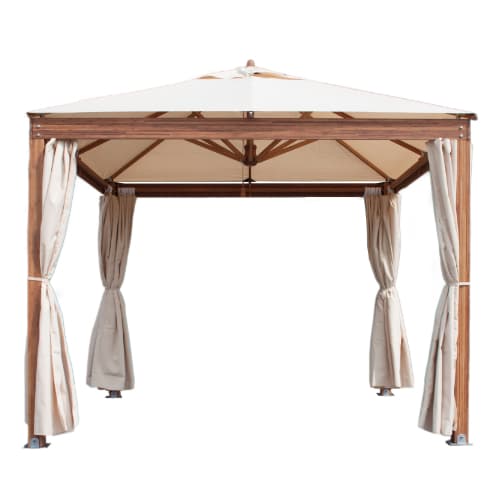
Shade structures, cabanas and pavilions
Designed for larger outdoor living areas that need room-like coverage, added privacy or a more architectural presence. These systems often involve more planning around anchoring, drainage and long-term exposure, so they’re a different animal than a standard patio umbrella. For a deeper look at how cabanas fit into the mix, see our guide to cabanas and shade structures.
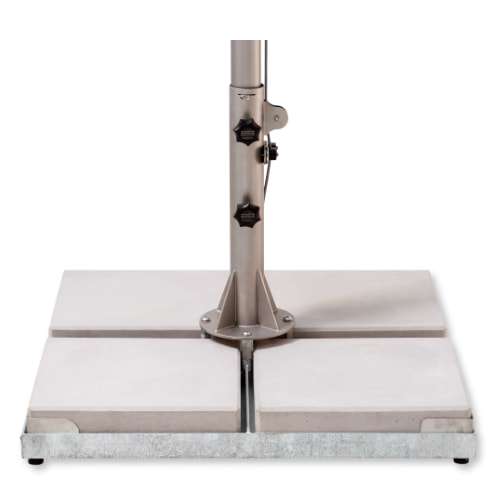
Umbrella bases and mounting kits
The right base or mount plays a major role in stability, safety and long-term performance. Larger canopies and cantilever designs often need much more support than people expect, especially in exposed locations. Our patio umbrella buying guide walks through bases and mounts in more detail if you’d like a quick refresher before you choose.
Replacement parts and accessories
Replacement canopies, ribs, covers and related accessories can help extend the life of a premium umbrella and refresh its appearance without replacing the full unit. Correct fit depends on brand, model and generation, so details matter here more than they first appear.
Premium outdoor collections using durable materials
We focus on premium umbrella and shade collections from manufacturers known for engineering, materials and long-term support. Belgian brand Jardinico is recognized for architectural designs while Shadowspec and Shademaker specialize in advanced shade systems for demanding residential and commercial projects. Mamagreen offers configurable shade structures that can be tailored to complex layouts.
Canopies are typically sewn from solution-dyed acrylics such as Sunbrella® or comparable performance textiles like Outdura® and O’bravia®, which deliver high UPF ratings and colorfastness in harsh sun. Frames and hardware use materials such as aluminum, stainless steel, eco-conscious hardwoods and fiberglass, selected for strength, corrosion resistance and compatibility with changing weather and wind conditions.
Pro tips – key outdoor shade decisions
- Shade area and layout – Think beyond diameter. Consider how people move around furniture, whether one structure needs to serve multiple zones and how much clearance swing arms or canopies require.
- Adaptability – Sun angle, time of day and changing usage patterns affect which mechanisms matter most (tilt, rotation, sliding tracks). Choose features that match how often you’ll realistically adjust shade, not how often the brochure says you might.
- Base and mounting – Location constraints and wind exposure often dictate whether a mobile base, in-ground sleeve, surface plate or deck mount is appropriate. Undersized or mismatched bases are a leading cause of performance issues and “we thought this would be fine” stories.
- Wind resistance – Always follow manufacturer guidance and check wind recommendations, especially for cantilever systems and exposed sites. No umbrella is designed for use in severe weather and closing it a little early is usually much cheaper than replacing it.
- Care and maintenance – Some canopy colors and materials show dirt more readily and complex mechanisms may need more routine checks. Simple habit changes like using covers in off-seasons can significantly extend product life without adding much to your to-do list. If you’re comparing finishes, our guide to patio umbrella colors is a helpful place to start.
Frequently Asked Questions – Patio umbrellas and shade
How do I choose the right type of outdoor shade for my space?
The best shade system depends on how the space is used, how much clearance you have and how exposed the area is to wind and sun.
Cantilever or offset umbrellas work well when you need open space beneath the canopy or want to shade more than one seating zone. Market or center pole umbrellas are often the better fit for smaller dining areas, umbrella tables or layouts where portability and a smaller footprint matter more.
When does a shade structure make more sense than an umbrella?
Shade structures are often the better choice when you need room-like coverage, more privacy or a more architectural solution for a larger outdoor area.
They also make sense when a project calls for more permanent planning around anchoring, drainage or long-term use in hospitality and commercial settings. If the goal is to define an outdoor room rather than simply shade a table, a structure is usually worth considering.
How important is base and mounting selection?
It’s one of the most important parts of the decision, especially for larger canopies and cantilever umbrellas.
In many projects the main performance problems come from bases that are too light or mounts that don’t match the surface. Concrete, stone and wood decks all create different requirements and larger umbrellas often need much more support than people expect at first glance.
Can your umbrellas be used in cafés, restaurants and other commercial spaces?
Many of our umbrellas and shade structures are engineered and warrantied for commercial use, though some smaller or lighter models are intended for residential settings only.
For hospitality projects it’s important to match the frame, canopy and base to the duty cycle, wind exposure and layout of the space. Daily use is a very different animal than occasional backyard shade.
What materials tend to perform best in harsh sun or coastal environments?
In strong sun, solution-dyed performance fabrics such as Sunbrella®, Outdura® and O’bravia® are popular because they offer strong UV resistance and better long-term color retention than lower-grade textiles.
For coastal or exposed settings, corrosion-resistant frames like powder-coated aluminum and well-protected stainless components are usually the safer choice. Teak and other hardwoods can also perform well, though they should be chosen with realistic expectations for maintenance and weathering.
