
Outdoor Benches



Outdoor benches that frame your spaces
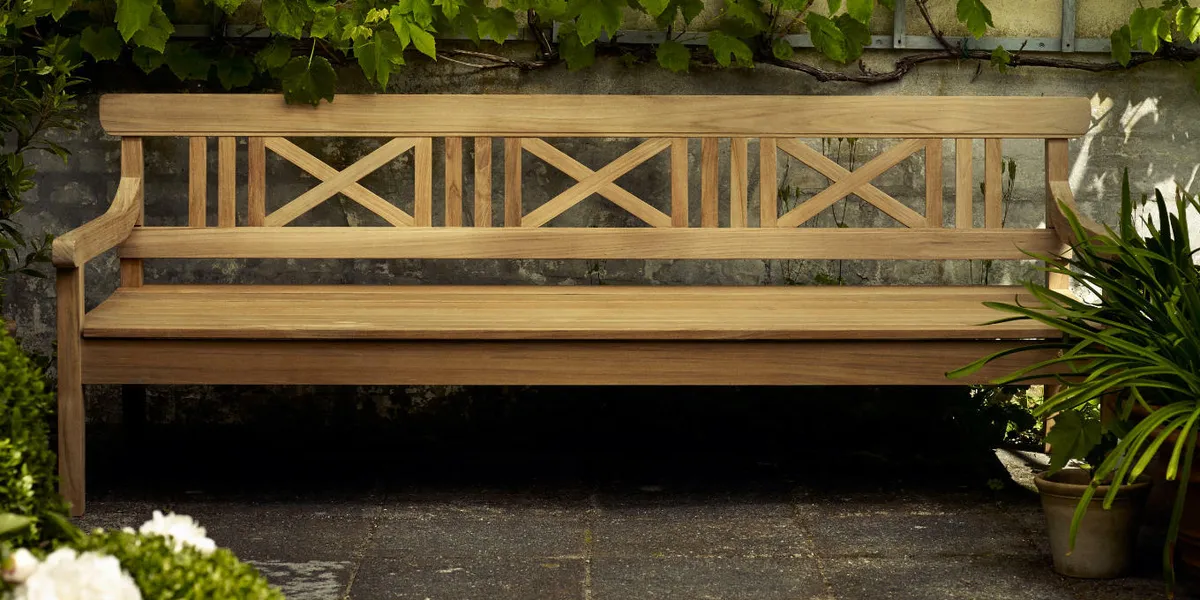
Benches are an easy way to add seating without crowding a patio or garden with more chairs. Along a wall, under a tree or beside a path, they quietly frame a view and offer a place to pause.
They can stand alone in a quiet corner, pair with a dining table for more linear seating or mark transitions between different zones on a deck or terrace.
Backs, arms and how people use them
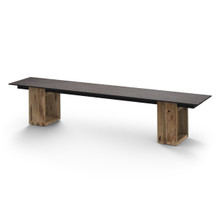
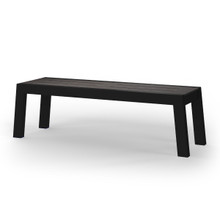
Backless benches are visually light and flexible. You can sit on either side, tuck them against a railing or use them at a dining table when you want people to slide in and out easily and share one long seat.
Benches with full backs and arms feel more like chairs stretched into a longer line. They offer better support for longer sits, which suits dining, reading or waiting areas where people stay put a bit longer, and they naturally feel a touch more formal than an open backless bench.
Simple shapes, different jobs
Straight, slatted benches work well against walls, fences and hedges and echo the lines of most decks and patios. Slightly curved or sculpted versions soften hard edges and can help create a focal point facing into a view or fire feature.
Some designs have the back on just one side, which is handy along an edge or at the end of a built-in run. They give one or two seats extra support while leaving the rest of the bench open and easy to access from either direction.
Storage benches add another layer of utility. Hinged seats or front doors keep cushions, throws or small accessories close at hand without adding separate storage boxes to the layout.
Pro tips – choosing an outdoor bench that makes sense
- Decide if it’s for passing through or staying put – Backless benches suit quick pauses, garden paths and spots where people come and go. Backed benches are better where you expect reading, longer meals or lingering conversation.
- Use benches at dining tables when you want a communal feel – A bench along one side of the table encourages side-by-side seating, fits a few extra guests more easily and reads more relaxed than a full row of chairs.
- Measure the full run, not just the seat – Leave enough space at each end and in front so people can sit down and stand up without stepping into a planting bed, path or another chair.
- Think about what sits in front of it – At a dining table, make sure there’s room to push the bench back and still walk behind it. In a garden, allow for legroom and any low planting so the bench actually gets used.
- Save storage for high-traffic zones – Storage benches shine near doors, pools and dining areas where you’ll reach for towels, shoes or cushions often. In remote corners, a simple bench is usually easier to live with.
Frequently Asked Questions – Outdoor benches
How long should an outdoor bench be for two or three people?
For two average adults, a bench around four feet long is usually comfortable. For three, aim closer to five or six feet, depending on how much elbow room you want to give people.
If the bench is part of a dining setup, match its usable length to the table span so everyone seated there has enough space and can reach the surface easily.
Are cushions necessary on an outdoor bench?
Not always. For short pauses or spots along a path, a well-shaped bench can be comfortable on its own.
At dining tables or in lounge areas where people sit for longer stretches, fitted cushions or a couple of seat pads usually make the bench feel closer to the rest of the seating group.
When does a storage bench make more sense than a regular one?
Storage benches work best near the places where you use what they hold: by a door for shoes and throws, near a pool for towels or by a dining area for seat pads.
In remote garden spots or narrow paths, standard benches are simpler. You avoid lifting lids over planting beds and don’t have to walk back and forth to access what’s inside.