
Steel Metal Patio Furniture

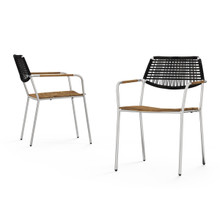


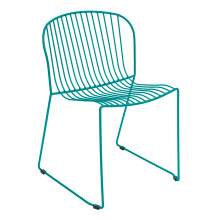

Steel patio furniture for spaces that need real staying power
Steel outdoor furniture brings a different kind of confidence to a project. It feels anchored, substantial and built for spaces where lighter frames may not be enough, whether that means a wind-exposed rooftop, a hotel courtyard or a restaurant terrace that sees constant use.
For upscale residential settings, steel makes sense when the goal is presence, stability and long-term performance. In hospitality and commercial projects, it often earns its keep even faster. The upfront cost is usually higher than aluminum, but so is the payoff when you’d rather invest once than deal with frequent replacements or furniture that starts looking tired too soon.
Why designers choose steel
Steel stands out when strength and stability matter more than portability. It supports larger spans, handles heavier tops and stays put in conditions where lighter materials can shift, dent or feel underbuilt. That makes it especially relevant for dining tables with ceramic, stone-look or thick tempered glass surfaces, as well as high-traffic lounge and dining settings that need to hold up gracefully over time.
It’s also a clear choice for buyers who think in years rather than seasons. In hotels, restaurants and shared amenity spaces, the higher upfront spend can make financial sense when it helps reduce replacements, service calls and the general annoyance of furniture that needs constant attention. If you’re comparing collections based on construction, finishes and long-term value, our outdoor furniture attributes and quality considerations guide offers a useful framework.
How steel shapes the look of a space
Steel brings a sharper, more architectural presence than many other outdoor materials. Clean lines, slimmer profiles and darker finishes can feel sleek and contemporary. More substantial frames nod to the character of classic wrought iron without asking for the same level of maintenance.
It also works especially well in mixed-material collections. Teak softens it, woven details warm it up and upholstered cushions can steer the look toward residential comfort or resort polish. Steel rarely wants to be the whole story; it does its best work as the quiet structure behind a layered, premium scheme.
Pro tips – when steel is the right call
- Choose steel when the space is doing real work – Hotel courtyards, restaurant patios, rooftop lounges and shared amenity decks benefit from frames that stay put, support heavier tops and tolerate daily use without feeling temporary.
- Balance upfront cost against replacement cycles – Aluminum often wins on initial price and portability. Steel tends to justify the extra spend when durability, stability and fewer replacements matter more than moving pieces easily.
- Match the finish to the setting – Stainless steel suits clean, contemporary projects. Powder-coated steel can add color, soften the industrial edge and often makes sense for dining and commercial environments where touch and appearance both matter.
- Think through weight before the pieces arrive – Extra heft is a benefit in windy or high-traffic spaces, but it also affects setup and storage. In staffed environments that tradeoff is usually manageable. On smaller residential patios, it deserves a bit more planning.
- Look past the material name – Good steel furniture should feel stable and well-balanced. Clean welds, consistent coating and a reassuring lack of wobble tell you more than the word steel on its own ever will.
Maintenance and care
In most settings, steel is straightforward to live with. Regular cleaning with mild soap and water is usually enough to keep frames looking sharp, especially in residential projects and inland commercial spaces where salt exposure is limited.
Coastal environments ask for more attention. Stainless pieces can develop superficial tea staining in salty air, and powder-coated frames still benefit from prompt touch-ups if the finish is nicked. For step-by-step routines and climate-specific advice, our metal patio furniture cleaning and care guide covers the details.
Frequently Asked Questions – Steel outdoor furniture
Will steel outdoor furniture rust?
Steel can perform extremely well outdoors, but the level of protection depends on the type of steel and the finish. Stainless steel resists corrosion in most environments, while powder-coated steel adds a barrier that helps the frame stand up to weather and daily use.
Coastal settings are tougher on both, which is why regular cleaning and the right finish matter more there. In salty air, some stainless pieces may develop tea staining at the surface, but that doesn’t necessarily mean the furniture has structurally failed.
When is steel a better choice than aluminum?
Steel is often the better choice when a project needs more weight, greater rigidity and a stronger sense of permanence. That matters for large dining tables, windy rooftops and hospitality spaces where furniture sees constant use and lighter frames may move, dent or feel less substantial over time.
Aluminum still has real advantages in cost and portability, but steel tends to make more sense when stability and long-term durability sit higher on the brief than ease of movement.
Is steel too heavy for everyday outdoor use?
Not necessarily. In many projects the weight is part of the appeal because it helps furniture feel stable, substantial and better suited to exposed or high-traffic spaces.
The real question is whether the layout values portability or permanence. For staffed hospitality settings and larger outdoor layouts, steel’s extra heft is often a benefit. For small patios that change often, it’s more of a tradeoff to plan for in advance.