
Durable Teak Outdoor Furniture
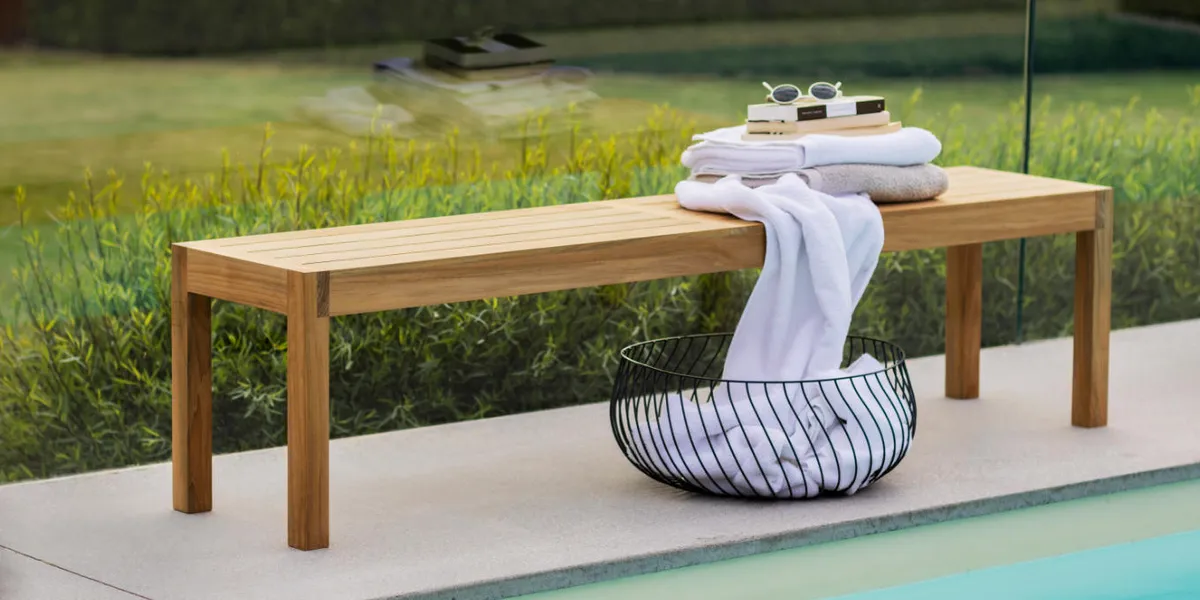


Teak patio furniture for projects that need to age well
Teak has been the benchmark for outdoor furniture for a long time, and for good reason. It’s a dense, oil-rich hardwood that’s comfortable to live with, holds its shape and weathers in a way that feels intentional rather than tired.
For high-end residential terraces, hospitality decks and multi-use amenity spaces, teak works best when you treat it as a material choice, not just a look. It brings its own rhythm to a project: warm when new, more architectural as it silvers and reassuringly solid under daily use.
Why designers still reach for teak
Teak’s density and natural oils give it a level of durability most woods can’t match. Frames and tabletops resist moisture, rot and insects, and they’re far less prone to warping or checking when the weather swings from hot to cold.
That makes it a natural fit for exposed decks, coastal properties and hospitality environments where furniture sees real traffic and still has to look composed after a few seasons. In the right context, well-made teak pieces can stay in service for decades rather than years.
If you’re comparing teak to other hardwoods for frames and tops, the wood section of our outdoor furniture materials guide is a good place to see how it stacks up against other species.
How teak changes the look of a space
Fresh teak brings warmth and a subtle grain that’s easy to pair with stone, concrete and metal. As it weathers, the surface softens into a silver-grey patina that feels quieter and more architectural. Some projects want that warm, golden tone to stay longer, while others welcome the aged look from the start. Either way, it helps to decide early so expectations match where the furniture is naturally headed.
Maintenance that respects the material
Most of the work with teak is deciding how you want it to look over time. Left alone, the warm golden-brown surface gradually shifts to a soft silver-grey patina. Cleaned periodically and treated with appropriate products, it holds more of that original honey tone.
Basic upkeep is straightforward: occasional cleaning with mild soap and water is usually enough to keep the surface in good shape. For step-by-step routines and product guidance, our teak cleaning and care guide goes into more detail so this page can stay focused on whether teak is the right material choice in the first place.
Pro tips – deciding whether teak is the right call
- Match teak to the level of exposure – Fully exposed decks, pool surrounds and coastal sites are what this wood was effectively built for. More sheltered terraces can still benefit from teak, but they sometimes allow other materials to take the lead.
- Plan for the color story – If the project’s counting on that fresh golden tone, budget for cleaning and sensible protection. If the design welcomes a silvered patina, make that clear up front so expectations match what the weather will naturally do.
- Use teak where touch matters – Armrests, tabletops, lounge frames and bench slats are all places where the warmth and tactility of the wood really show. In mixed-material collections, pairing teak with metal frames keeps the look lighter without losing that sense of substance.
- Think in projects, not one-offs – Teak earns its keep best when it’s part of a broader material story, whether that’s a single collection or a set of related ranges across dining, lounge and accent pieces.
Sustainability and sourcing
Good teak programs pay as much attention to sourcing as they do to design. Plantation-grown and traceable wood helps support more responsible forestry, while reclaimed teak brings character and gives existing material a second life. Both matter for buyers who want lasting outdoor furniture with a lower-impact story behind it.
Teak collections at Decor Outdoor
Our teak offerings span dining, lounge and accent pieces from brands that treat the material with respect. You’ll find pure wood collections, mixed-material ranges that pair teak with aluminum or steel and pieces built with both grade-A and reclaimed stock for different design briefs.
Whether you’re furnishing a busy café terrace, a hotel pool deck or a private garden, teak can anchor the space with something that feels both familiar and distinctly premium.
Frequently Asked Questions – Teak outdoor furniture
Will teak always stay the same color?
No, and that’s part of the appeal. Left to its own devices outdoors, teak shifts from a warm golden tone to a soft silver-grey as the seasons do their work.
Regular cleaning and the right protective products can slow that change if you’d prefer to hold more of the original color, but the wood’s natural tendency to weather is something to plan with, not fight against.
Is teak worth the higher upfront cost?
For projects that expect heavy use, exposure and a longer time horizon, it often is. Teak’s durability and resistance to moisture, insects and warping mean fewer replacements over the life of a space.
That’s particularly relevant for hospitality and multifamily environments, where downtime and frequent refreshes can quickly outweigh a lower initial price tag on less capable materials.