
Patio Heaters

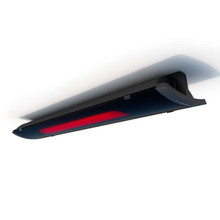

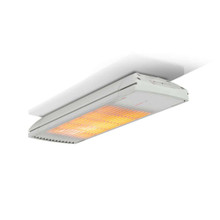


Patio heaters for steady, adjustable warmth
Patio heaters are for the nights when you want people to linger comfortably, not huddle around a single flame. They’re designed to throw controllable heat over dining tables, lounge seating and covered patios so the space still feels like your space, just warmer.
The main choices are straightforward: electric or gas, freestanding or mounted and how those fit the layouts you already have. The right setup depends less on buzzwords and more on where people sit, how exposed your outdoor area is and what kind of installation work makes sense for you.
Which outdoor heater setup fits your space?
Freestanding gas heaters
Best for open seating areas and flexible layouts, especially when you don’t want to run wiring or mount anything. Tower-style propane units are easy to move, throw warmth in all directions and are a familiar sight on restaurant terraces and event spaces.
Wall-mounted radiant heaters
Best when floor space is tight or you want heat aimed at a specific zone. Wall-mounted electric or gas units stay out of the way while directing infrared warmth toward chairs, bar seating or a defined lounge area.
Ceiling and recessed heaters
Best for covered patios, pergolas and outdoor rooms where a cleaner, built-in look matters. Overhead and in-ceiling installations can warm larger areas without cluttering the floor, but they do ask more of your framing and electrical or gas planning.
Electric vs gas outdoor heaters
Most outdoor heaters run on either electricity or gas, and their output is measured in watts or BTUs. If you want to compare across types, multiplying watts by 3.41 gives you an approximate BTU equivalent.
Electric infrared units are often the cleaner, quieter option and a natural fit for fixed installations where directional radiant heat matters more than brute force. Gas models, whether propane or natural gas, tend to make more sense in exposed spaces where stronger output and broader coverage matter more.
For a deeper look at how these systems behave over time, our patio heater buying guide covers fuel choices, layouts and sizing, and our radiant vs convection heat guide explains why some outdoor heaters feel warmer than their specs suggest.
Placement, coverage and covered patios
Where you place a heater matters just as much as the model itself. Wind exposure, ceiling height, partial walls, nearby glass and the distance between the unit and the seating area will all affect how warm the space actually feels.
Covered patios and roofed structures can hold warmth more effectively than fully open areas, but only if the heater is rated for that kind of installation and the required clearances are followed. If you’re considering mounting heaters under a pergola, soffit or roof, our guide to using heaters under roofs safely is worth reading before anything gets installed.
Pro tips: choosing patio heaters that actually work
- Plan around seating zones, not just square footage A heater should warm the places people actually sit, not just the general area on paper.
- Match the heater style to exposure Open, breezy spaces usually need stronger gas units or multiple heat sources, while more protected patios can often work well with fewer, well-aimed radiant models.
- Decide early on portability vs permanence Freestanding units are easier to move or store, while mounted heaters look cleaner and keep floor space open.
- Check power and gas access before you shop too far It’s much easier to narrow the field once you know what can realistically be wired, mounted or plumbed.
- Think about how often you’ll use them If the patio gets regular evening use, quieter operation, better controls and a cleaner look tend to matter more over time.
Frequently Asked Questions – Patio heaters
Are electric or gas outdoor heaters better?
Neither is automatically better. Electric infrared heaters are usually easier to control, quieter in use and a strong fit for covered patios and fixed mounting, especially when you want targeted radiant warmth rather than a large visible flame.
Gas-fired units tend to deliver more output in exposed spaces and can cover larger footprints with fewer fixtures. They also ask more of you in fuel handling and installation, so the better choice usually comes down to layout, exposure and how permanent you want the setup to be.
How many heaters do I need for my patio?
Most outdoor spaces work better when each main seating zone has its own source of heat instead of relying on one oversized unit off to the side. Two or three moderate heaters often feel better than a single “hero” model that’s hot nearby and weak everywhere else.
If your layout is long, wide or broken into separate conversation areas, think in segments rather than total square footage. Our buying guide goes deeper on sizing, but a cool evening in your actual space is still the most honest test.
Can heaters be used under a covered patio or pergola?
Yes in some cases, but only with models specifically rated for that kind of installation and only when the required clearances are met. Covered spaces can keep warmth where you want it, but they also narrow your margin for error with ventilation, mounting height and nearby materials.
Always confirm the manufacturer’s instructions and local regulations before mounting a heater under a roof, soffit or pergola. Heat near structure is not the place for guesswork.
Should I choose freestanding or mounted heaters?
Freestanding heaters are the more flexible option. They’re easier to reposition for parties, easier to store when not in use and useful when your layout changes often, though they do take up floor space.
Mounted heaters keep walkways clear and usually feel more integrated in finished outdoor rooms. The tradeoff is that wiring or gas lines need to be planned properly, and the layout becomes more fixed once everything is installed.